
The month of June holds profound significance for global environmental consciousness, anchored by two pivotal dates: World Environment Day on the 5th of June and World Ocean Day on the 8th of June. These observances are crucial rallying points for collective action, and at Mr. Marine, we fully embrace the spirit they represent.
World Environment Day, with its powerful theme of ‘Reimagine. Recreate. Restore,’ calls upon every entity, from individuals to global corporations, to fundamentally change their relationship with the natural world. It demands an imaginative approach to sustainability, active participation in recreating healthy habitats, and a dedicated effort to restore the damaged ecosystems that sustain us all.
Just three days later, World Ocean Day, themed ‘Live and Livelihoods,’ sheds light on the immeasurable wonder of the ocean and how it is our life source, supporting humanity and every other organism on Earth. The ocean is not merely a vast expanse of water; it is the planet’s largest ecosystem, regulating climate, providing food security, and supporting the livelihoods of billions. The health of the ocean is inextricably linked to human prosperity and survival.
This year, these observances gain heightened urgency as they officially mark the beginning of the United Nations Decade on Ecosystem Restoration (2021–2030). This massive, coordinated global effort has the ambitious and essential goal of preventing, halting, and reversing the degradation of ecosystems worldwide.
The Crucial Link: Ecosystem Health and Ballast Water Management
Ecosystems support all life on Earth. The healthier our ecosystems are, the healthier the planet—and its people. This principle underscores why Mr. Marine’s specialized focus on Ballast Water System (BWS) servicing is not just a commercial endeavor, but a vital environmental mandate. Our work is essential to ensuring that no alien marine life is carried from one area and injected into another with the release of contaminated ballast water.
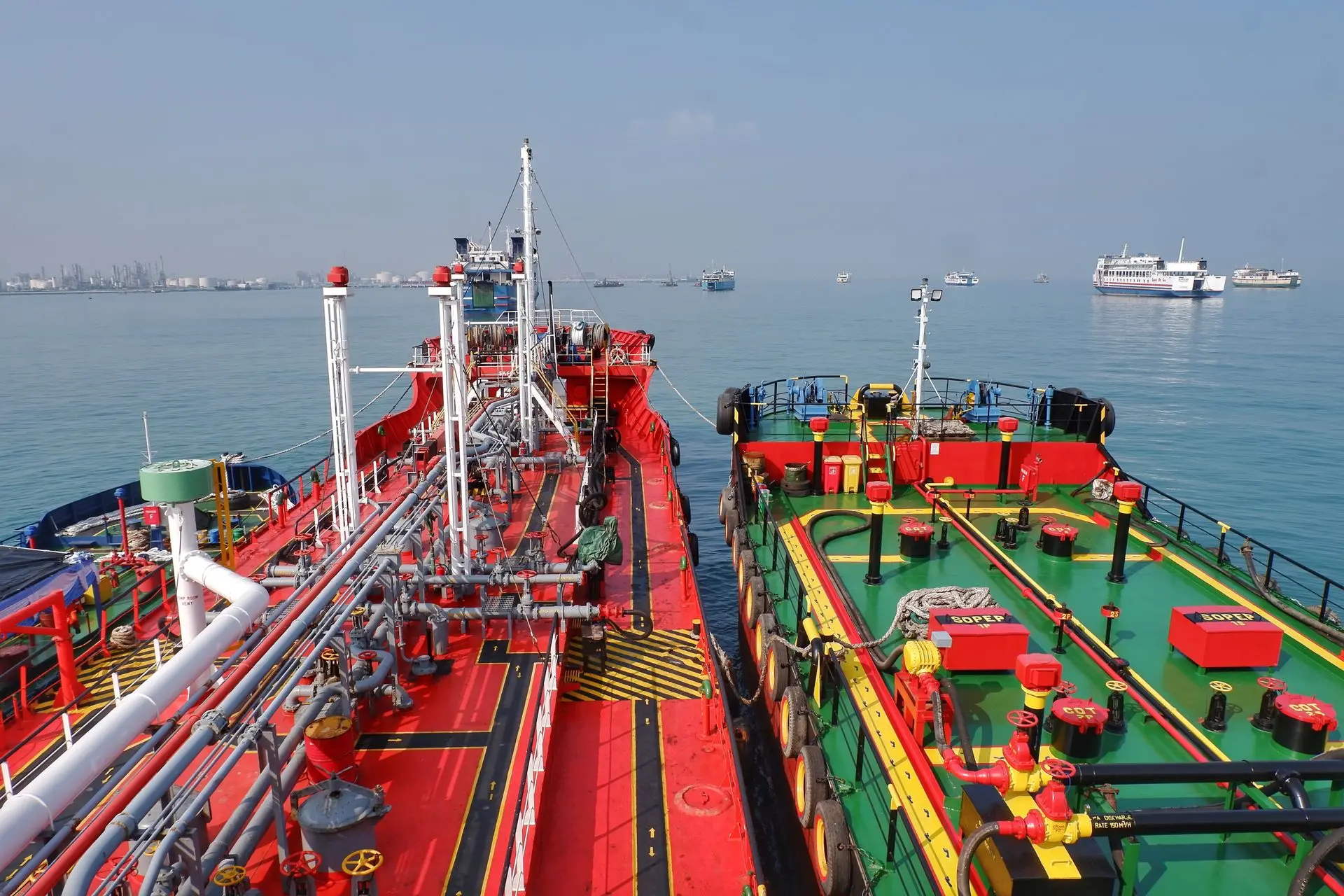
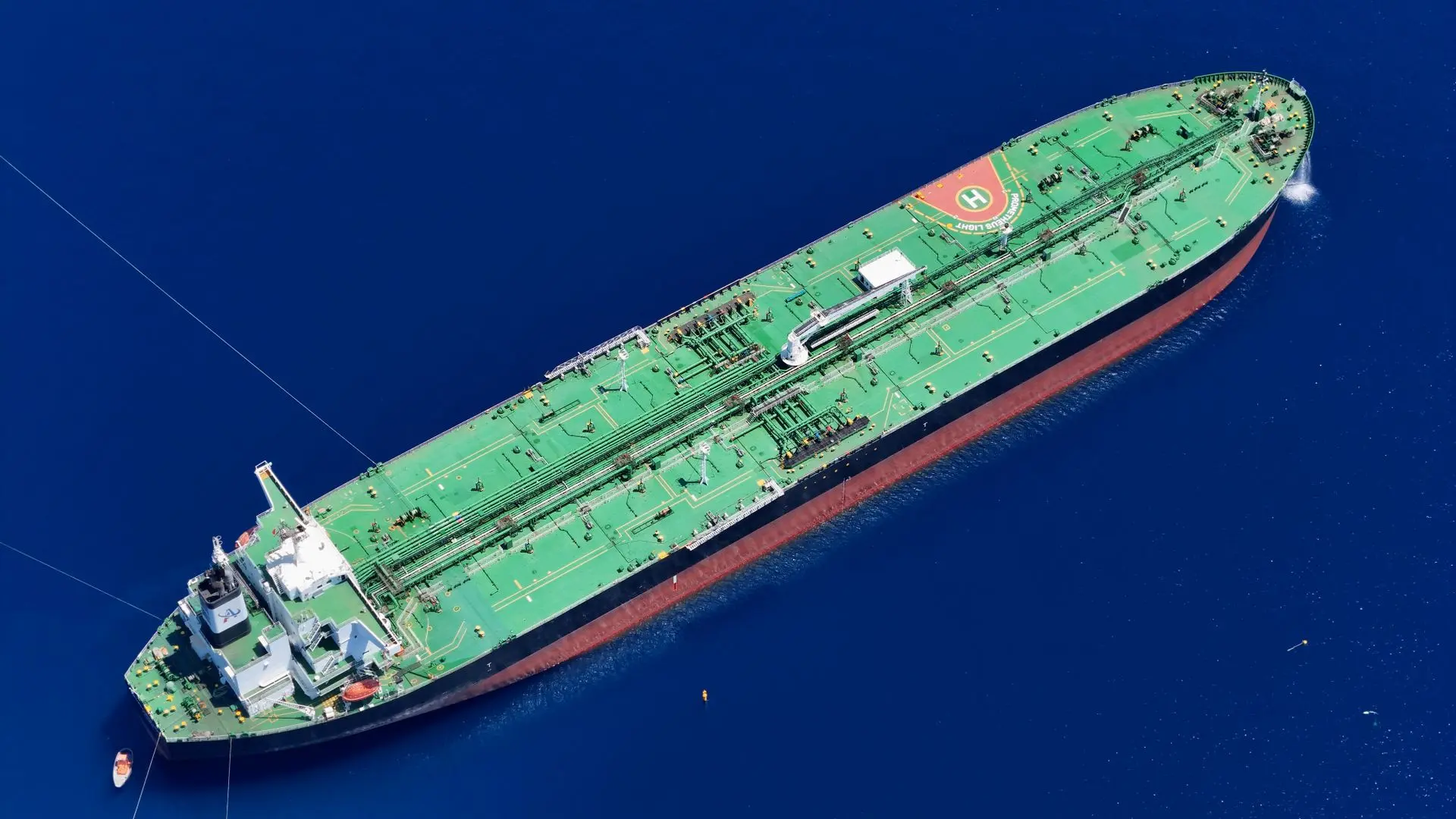
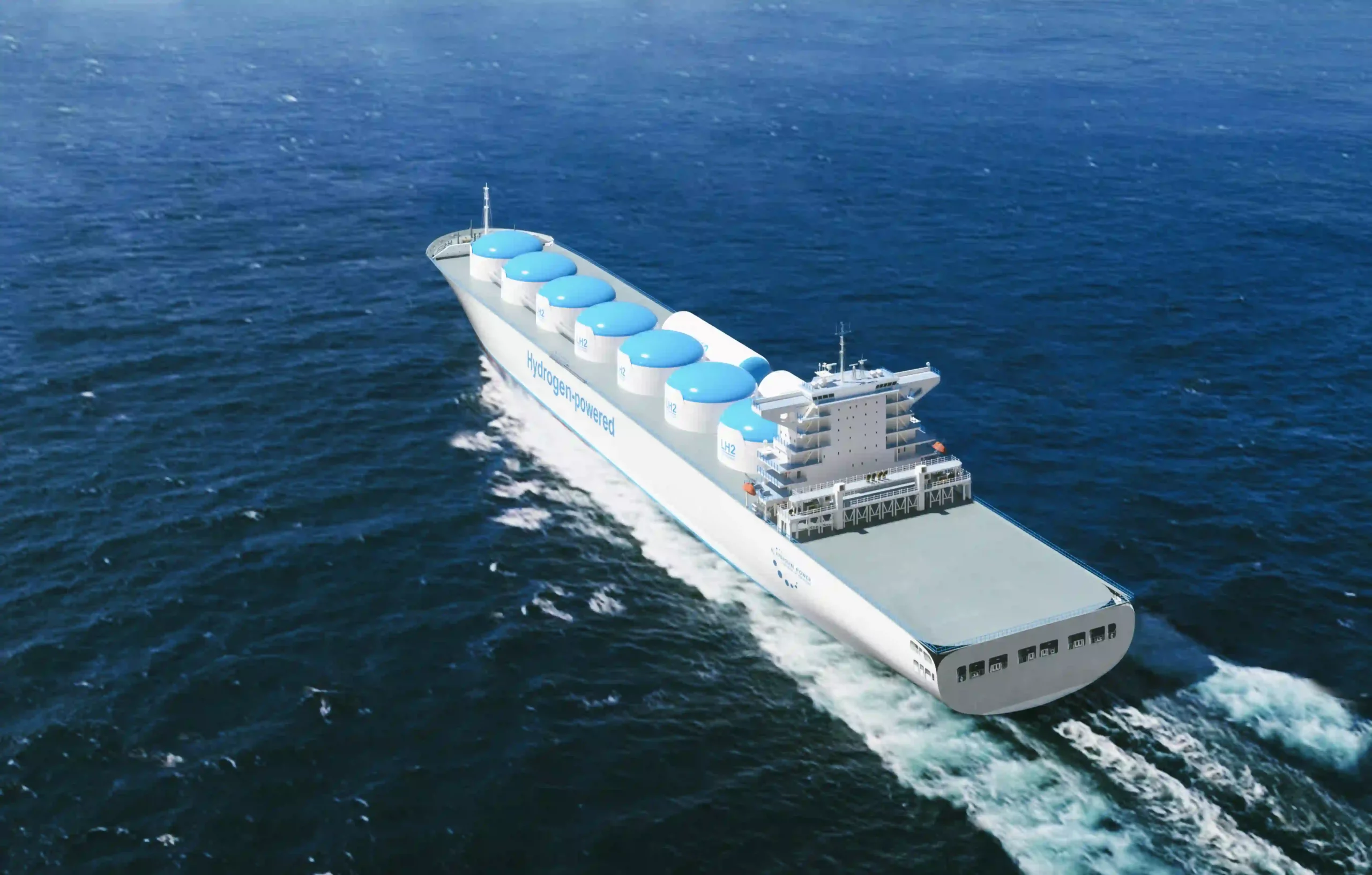
The practice of ballasting is integral to modern shipping. To stabilize vast ships at sea, especially when unladen, onboard ballast tanks are filled with water. The mass of this water weighs the vessel down, lowering its centre of gravity, thereby enhancing stability, improving maneuverability, and reducing stress on the hull. This ballast water is typically ocean water, taken on board before or during a voyage.
And this is precisely where the ecological challenge comes in—with the ubiquitous and severe problem of bio-invasion. Depending on where in the ocean the ballast water is collected, it almost certainly contains a myriad of water-borne microbes and pathogens, as well as thousands of other tiny marine creatures of various species. This biological cocktail, when pumped into the vessel’s tanks, essentially travels the globe as a passive marine migration.
When these inhabitants of one ocean are removed from their natural surroundings and subsequently released into a different part of the ocean when the ballast water is emptied, a profound ecological disturbance occurs. When these diverse sea inhabitants, known as non-native species, are introduced into foreign oceans, where they might not have any natural predators or competing species to keep their numbers in check, the natural state of the ecology is upset. Invasive aliens, as these non-native species are called, can quickly cause significant ecological destruction. They compete with native species for resources, prey on vulnerable endemic populations, and introduce novel diseases, often leading to irreversible habitat alteration. Biodiversity is thrown out of balance, threatening fisheries, aquaculture, and the fundamental structure of marine food webs. The economic damages from invasive species globally are estimated to be billions of dollars annually.
Our Role in Compliance and Prevention: The BWMC and Sample Testing
The international maritime community responded to this crisis by establishing the IMO’s International Convention for the Control and Management of Ships’ Ballast Water and Sediments (BWMC). This convention mandates that ships must treat their ballast water to remove, neutralize, or render harmless the organisms and pathogens before discharge.
At Mr. Marine, our services are the critical link between the regulation and its effective implementation. Our sample tests ensure that water carried in ballast is correctly treated before release so that it meets the stringent D-2 standard (the discharge standard) and poses no risk for bio-invasion when introduced into foreign oceans, thereby guaranteeing compliance with the global BWTS regulations. Our expert technicians service, calibrate, and verify the performance of complex Ballast Water Treatment Systems (BWTS) across all major technologies, including UV-based, electro-chlorination, and deoxygenation systems.
Joining #Generationrestoration
The UN Decade on Ecosystem Restoration is a ten-year opportunity to mobilize political and financial support to restore critical terrestrial and marine habitats. Its ultimate aim is profound: to prevent, halt, and reverse the degradation of ecosystems on every continent and in every ocean. Successfully implementing this decade can help to end poverty, combat climate change, and prevent mass extinction.
It will only succeed if everyone plays a part. We, at Mr. Marine, are deeply committed to playing our part. By meticulously servicing and maintaining Ballast Water Treatment Systems, we are directly contributing to the restoration and protection of marine biodiversity and ecosystem integrity. Our technical service is a physical, tangible action against the threat of bio-invasion.
Together We Can Be #Generationrestoration—a generation defined not by the damage we inflict, but by the habitats we heal. We stand ready, through our expertise and dedication, to support the global shipping industry in its vital transition toward a more sustainable and compliant future, honoring the spirit of World Environment Day and World Ocean Day every single day.