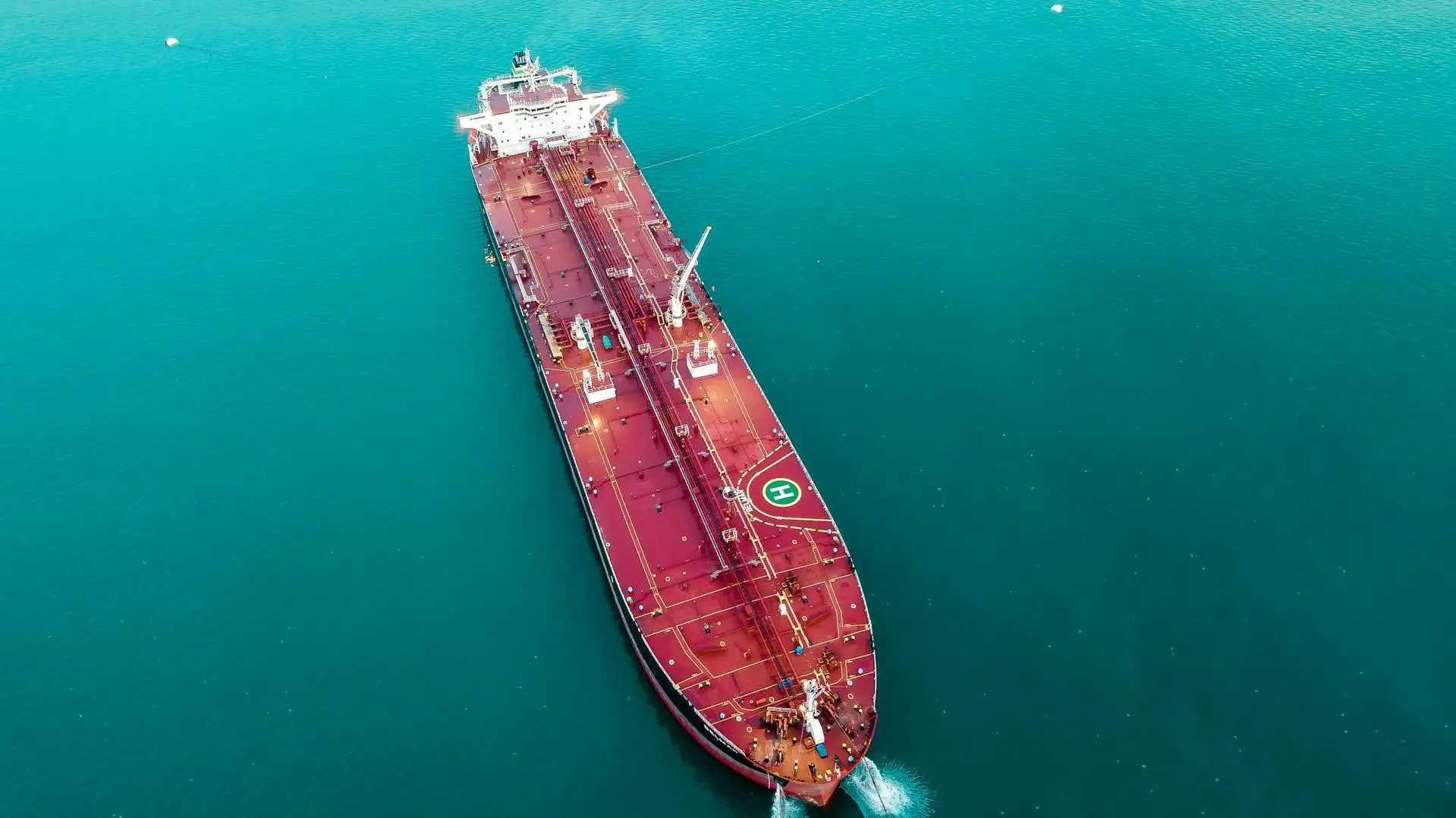

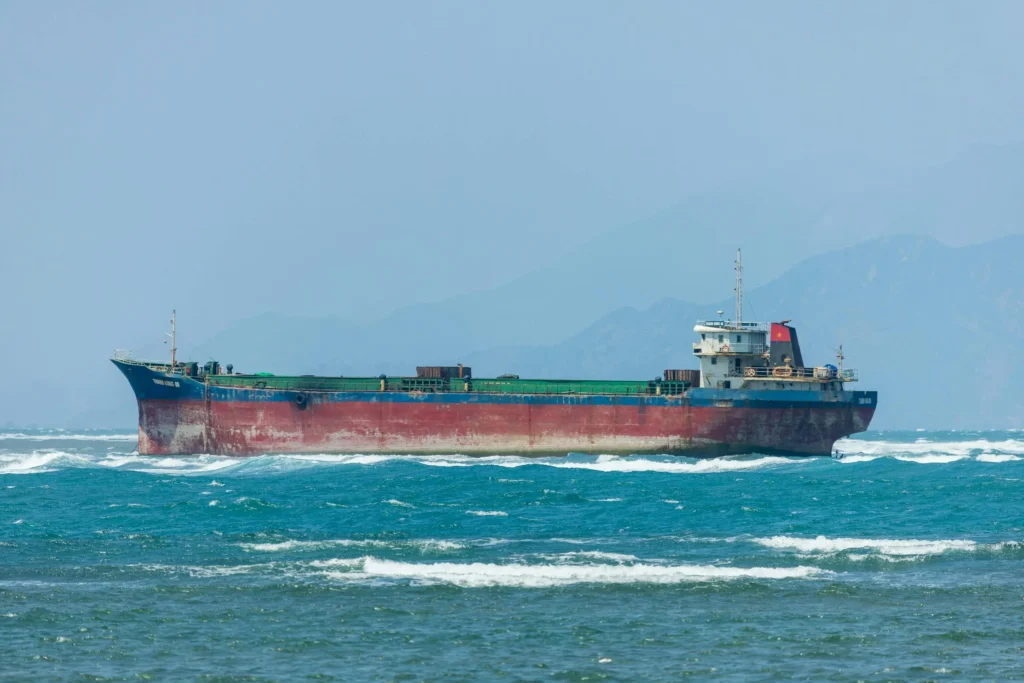
If you operate a commercial vessel in U.S. waters, you have likely heard the terms VGP and VIDA come up more frequently in recent years. Regulatory changes in the maritime industry can take time to unfold, and this particular transition has been no exception. Understanding what these two frameworks are, how they differ, and where things stand today is important for staying compliant and avoiding costly penalties.
This article breaks down both regulations clearly, explains what has changed, and outlines what vessel operators should be doing right now.
What is the VGP (Vessel General Permit)?
The Vessel General Permit, commonly referred to as the VGP, is a permit issued by the U.S. Environmental Protection Agency (EPA) under the Clean Water Act. It regulates discharges that are incidental to the normal operation of commercial vessels operating in U.S. waters, meaning the routine releases that happen as part of running a ship, such as ballast water, bilge water, deck runoff, graywater, and similar operational discharges.
The EPA issued the first VGP in 2008, following a 2006 federal court ruling that required the agency to regulate vessel discharges under the Clean Water Act’s permitting program. That permit was subsequently replaced by the 2013 VGP, which introduced more stringent requirements including numeric limits on ballast water discharges, a mandatory requirement to use environmentally acceptable lubricants (EALs) at oil-to-sea interfaces, and new monitoring requirements for ballast water, bilge water, and graywater.
The 2013 VGP was originally set to expire in December 2018. However, it was extended indefinitely when new legislation — VIDA — was signed into law that same month.
What is VIDA?
VIDA stands for the Vessel Incidental Discharge Act. It was signed into U.S. law in December 2018 with a clear purpose: to replace the VGP system and create a single, uniform national framework for regulating incidental discharges from commercial vessels.
Before VIDA, vessel operators had to navigate a complex patchwork of federal, state, and local discharge requirements that varied depending on where a vessel was operating. This created significant compliance challenges, particularly for operators whose vessels move across multiple jurisdictions. VIDA was designed to address exactly that problem by establishing one consistent set of federal standards.
Under VIDA, the EPA was directed to develop national standards of performance for incidental vessel discharges, similar in scope to those covered under the VGP, but standardized at the federal level. Once the EPA published its final standards, the U.S. Coast Guard (USCG) would then have two years to develop corresponding compliance and enforcement regulations.
VIDA vs. VGP – what has actually changed?
This is the question most vessel operators are asking. The short answer is: some things have changed meaningfully, while others remain largely the same.
When the EPA published its final rule, officially titled the Vessel Incidental Discharge National Standards of Performance (VID-NSP), on October 9, 2024, the discharge standards were organized into three groups based on how much they differ from the 2013 VGP:
1. Standards that are substantially the same
Thirteen discharge categories under VIDA carry over requirements that are essentially unchanged from the VGP. These include discharges from boilers, cathodic protection systems, chain lockers, decks, elevator pits, fire protection equipment, gas turbines, inert gas systems, non-oily machinery, pools and spas, refrigeration and air conditioning units, and sonar domes. While these standards reflect the same intent and stringency as the VGP, minor adjustments have been made for consistency and legal clarity under the new regulatory structure.
2. Standards that are consistent but slightly modified
Two discharge categories (bilges and desalination/purification systems) have been updated with moderately increased stringency or clarified language compared to their VGP equivalents.
3. Standards with significant changes
Five discharge categories have seen the most notable modifications from the 2013 VGP:
- Ballast tanks — The EPA largely maintained the existing numeric ballast water discharge standards, which align with International Maritime Organization (IMO) requirements. However, best management practices (BMPs) for ballast water have been updated. Vessels must now maintain a ballast water management plan, minimize gravity drainage of ballast tanks while in port, use high sea suction methods in shallow waters, and avoid taking on or discharging ballast water near coral reefs.
- Exhaust gas emission control systems (EGCS) — Discharge standards for scrubber washwater have been updated to better align with IMO guidelines. Notably, the pH limit for EGCS washwater discharges has been changed to 6.5, and measurement no longer needs to be taken at the hull.
- Graywater systems — Updated standards require that soaps, cleaners, and detergents discharged through graywater must be minimally toxic, phosphate-free, and biodegradable. Additionally, the introduction of kitchen waste, food, oils, and oily residues into the graywater system must be minimized. Discharge of graywater within 3 nautical miles of shore is prohibited for qualifying vessels that have available storage capacity, unless the discharge meets specific numeric standards.
- Hull and associated niche areas — Updated to address passive discharge from hull surfaces and niche areas, a distinction the VGP did not make.
- Seawater piping — Minor but clarifying changes to discharge standards.
There will also be additional requirements for vessels operating in specific regions, including the Great Lakes, the Pacific Region, and federally protected waters.
Who does VIDA apply to?
VIDA applies to:
- Non-recreational, non-Armed Forces commercial vessels 79 feet in length and above operating in U.S. waters
- Ballast water discharges only from smaller vessels (under 79 feet) and fishing vessels of all sizes
It does not apply to recreational vessels, military/Armed Forces vessels, or non-commercial fishing vessels under 79 feet for discharges other than ballast water.
What is the current status of VIDA?
This is where it is important to have current, accurate information.
The EPA finalized its discharge standards on September 20, 2024, and those standards were published in the Federal Register on October 9, 2024, with an effective date of November 8, 2024. However, and this is a critical point, VIDA is not yet fully enforceable.
For VIDA to take full legal effect, the U.S. Coast Guard must finalize its own corresponding compliance and enforcement regulations. The USCG has a two-year window from the EPA’s publication date to do so, meaning those regulations are expected by late 2026. As of mid-2025, those USCG regulations have not yet been finalized.
This means the 2013 VGP remains in effect under administrative continuation. Vessels must continue to comply with the 2013 VGP’s requirements, including Notice of Intent (NOI) filings, recordkeeping, and all applicable discharge standards, until the USCG’s regulations are final, effective, and enforceable.
It is also worth noting that new vessels cannot apply for new VGP coverage at this stage. The regulatory transition is actively underway.
What should vessel operators be doing right now?
Just because VIDA is not yet fully enforceable does not mean operators should wait to prepare. The regulatory transition is coming, and the time to act is now. Here is a practical starting point:
→Continue complying with the 2013 VGP. Until the USCG finalizes its regulations, the 2013 VGP remains the binding standard. EPA enforcement of VGP requirements has reportedly increased, and non-compliance can result in significant financial penalties.
→Review your discharge practices against VIDA’s updated standards. Compare your current vessel operations against the five significantly modified categories under VIDA, particularly ballast water management, EGCS washwater, and graywater, and identify any gaps that will need to be addressed.
→Evaluate your environmentally acceptable lubricants (EALs). VIDA’s updated standards carry forward and build on the EAL requirements of the VGP. Operators should identify all oil-to-sea interfaces onboard and ensure lubricants and hydraulic fluids will meet the updated criteria.
→Update ballast water management plans. VIDA introduces specific BMP requirements for ballast water management that go beyond what the VGP required. Getting these plans updated now will ease the compliance transition.
→Stay informed on USCG rulemaking. Monitor developments from the U.S. Coast Guard as it develops its implementing regulations. The timeline and any additional requirements will be published through official USCG and EPA channels.
Looking ahead – why this transition matters for the maritime industry
The shift from the VGP to VIDA is more than just a regulatory housekeeping exercise. It represents a genuine move toward a more consistent, predictable compliance environment for commercial vessel operators across the United States. For companies operating across multiple states and jurisdictions, the promise of uniform national standards reduces administrative burden and legal uncertainty.
At the same time, the updated standards, particularly those related to exhaust gas scrubbers, ballast water and graywater, reflect an ongoing commitment to protecting U.S. marine environments. For operators, understanding these changes and acting proactively is the best way to protect both your operations and your business reputation.
How Mr. Marine can help
Navigating the transition from VGP to VIDA, and staying compliant throughout, requires reliable expertise and a partner who understands the operational realities of commercial maritime work.
Mr. Marine is your partner for maritime compliance, environmental services, and vessel operations support. Whether you need guidance on VGP compliance obligations, help reviewing your discharge practices against VIDA’s updated standards, support with ballast water management planning, or technical advice on environmentally acceptable lubricants, our team brings the experience and industry knowledge to help you stay ahead of regulatory requirements.
As the maritime regulatory landscape continues to evolve, working with a knowledgeable partner is one of the most effective ways to protect your vessel, your crew, and your business. Reach out to Mr. Marine to discuss how we can support your compliance and operational needs.
Regulatory information in this article is current as of mid-2025. For the most up-to-date status on VIDA implementation, refer to the EPA’s official page and the U.S. Coast Guard’s regulatory updates.