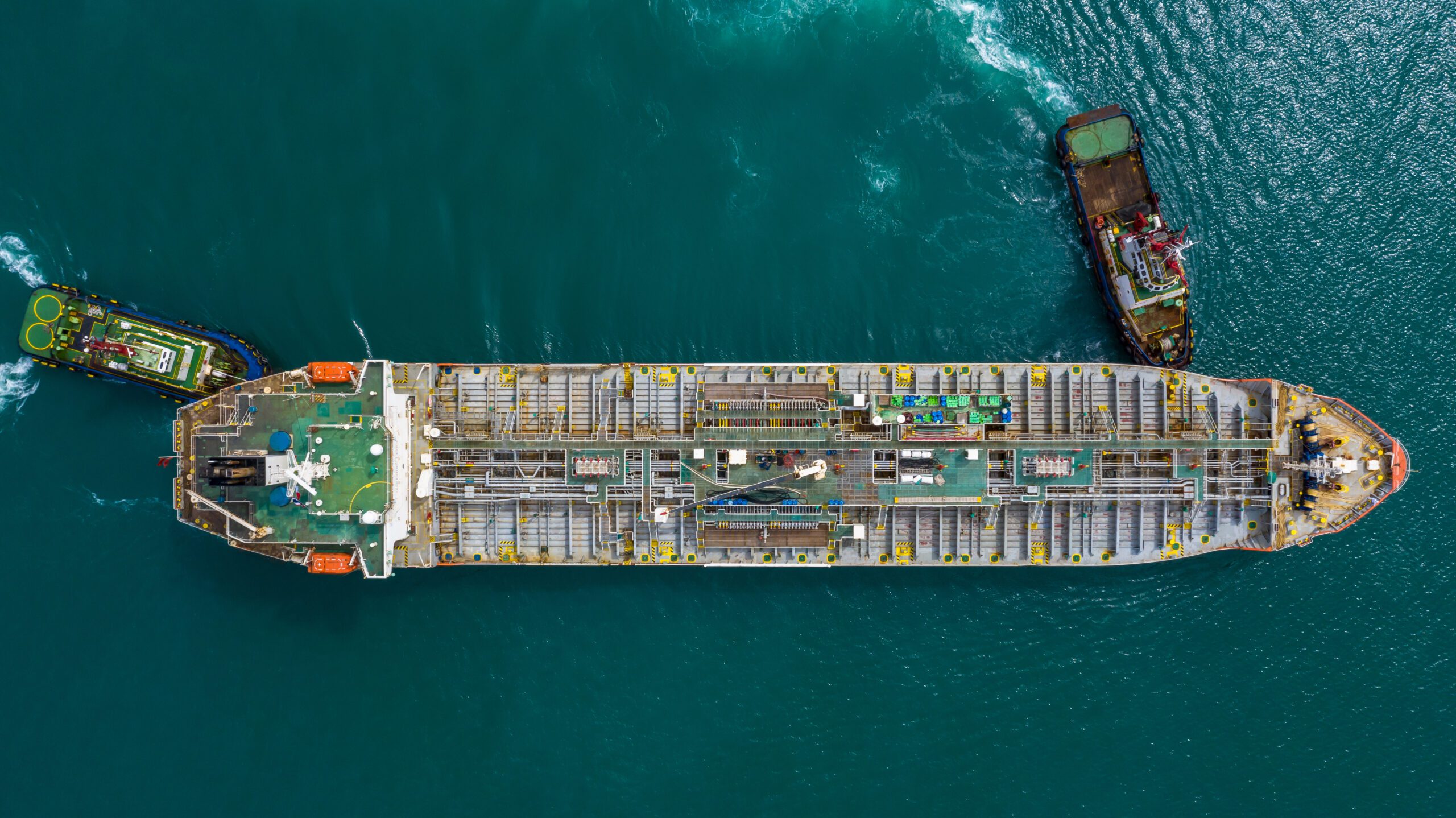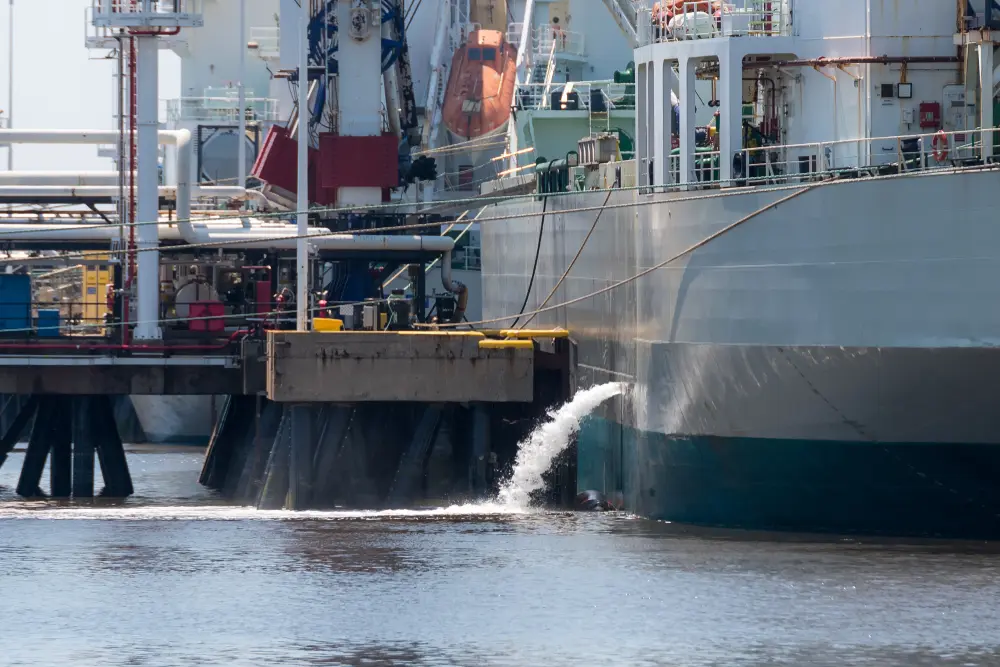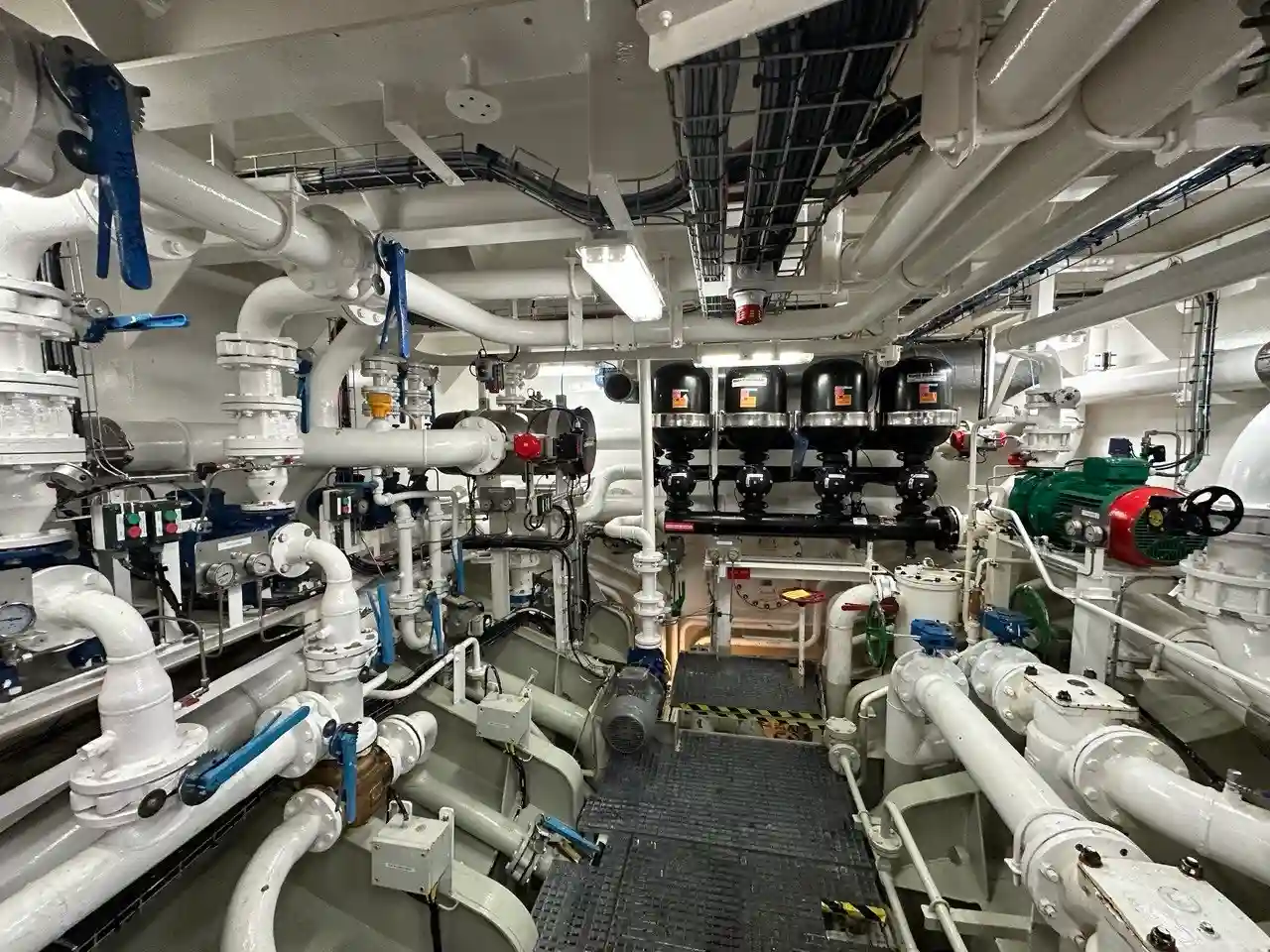

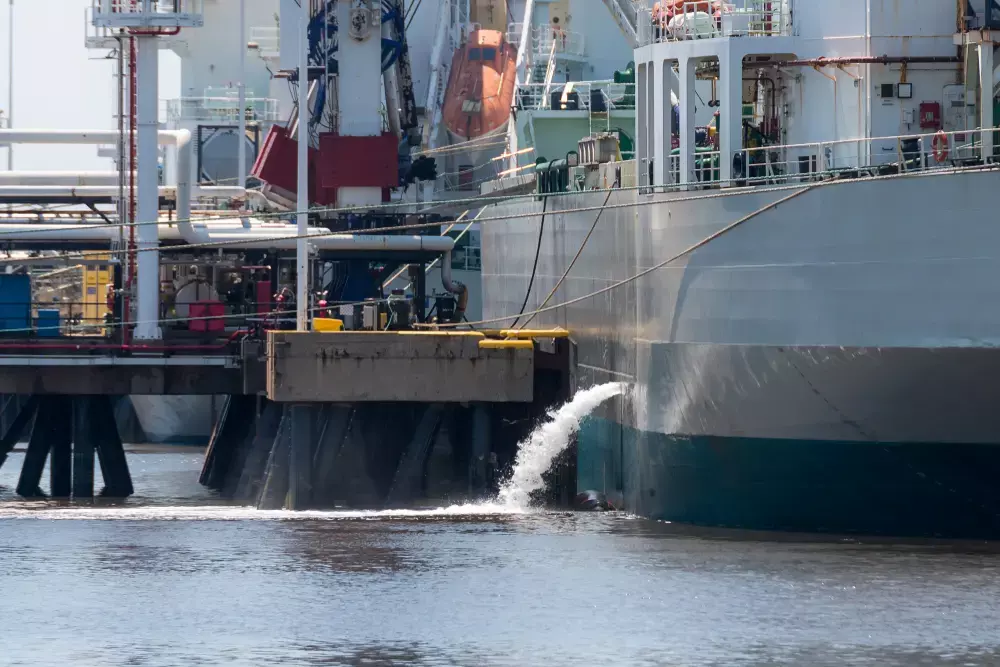
The global maritime industry is currently navigating one of its most significant regulatory shifts aimed at environmental preservation. The sheer scale of the challenge is staggering: Annually, approximately 10 billion tonnes of ballast water are transported worldwide. While ballast water remains absolutely essential in ensuring the stability of vessels by controlling trim, list, and draught, it simultaneously constitutes a critical potential source of invasive and damaging species if discharged inappropriately. This ecological threat is what drove the International Maritime Organisation (IMO) to enforce the installation of Ballast Water Management Systems (BWTS) to ensure the discharged water limits comply with the Ballast Water Management Convention (BWM Convention).
The deadline for full compliance is fast approaching: All vessels must meet the D2 standard no later than 8 September 2024. This mandatory deadline requires every vessel to install and operate an approved BWTS.
The D2 Standard and the Necessity of Commissioning Testing
The D2 Discharge Standard
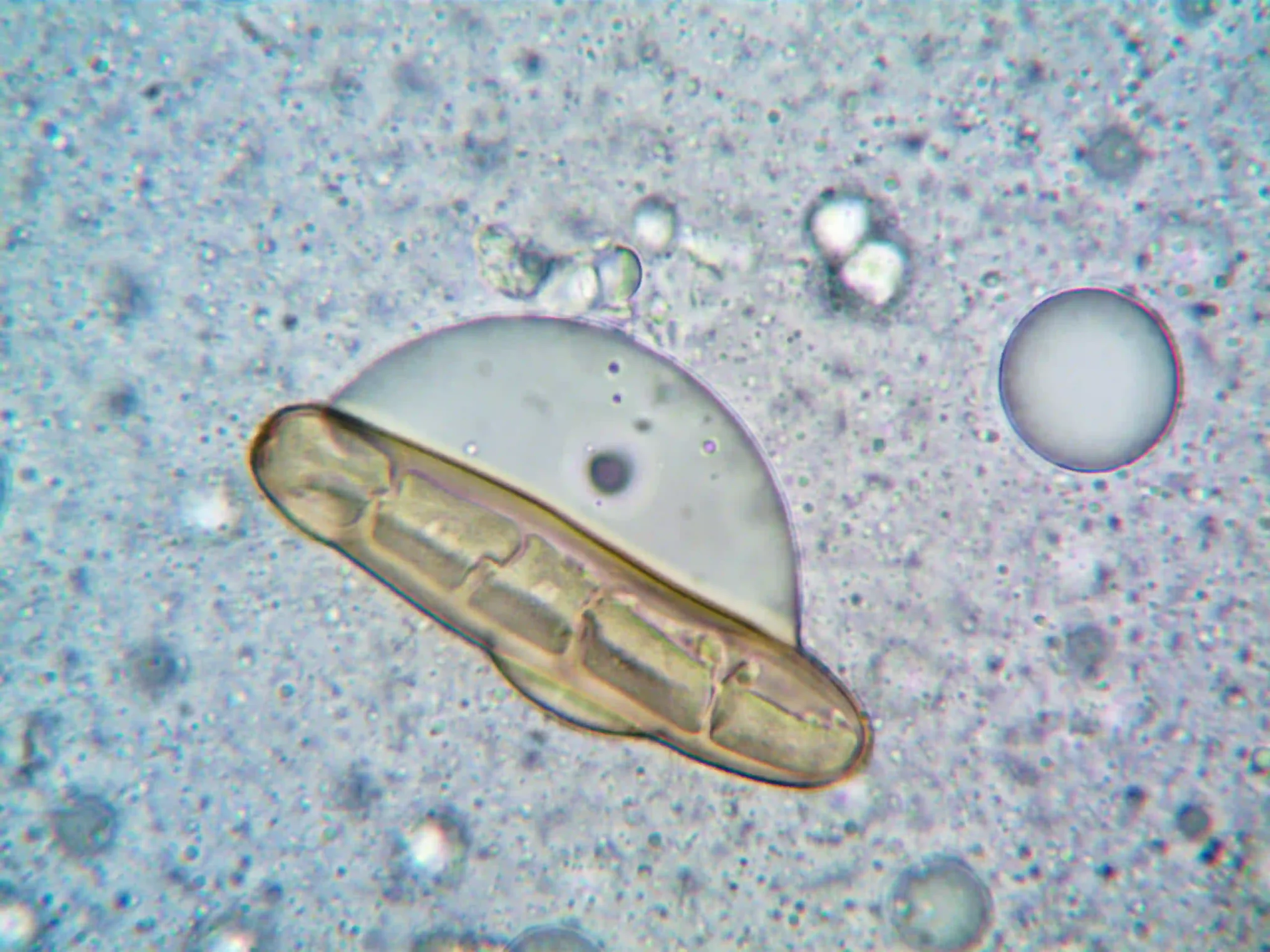
The IMO’s D2 Discharge Standard specifies the maximum permissible concentration of viable organisms that may be discharged in ballast water. This is a crucial metric, setting limits on organisms such as:
Viable organisms greater than or equal to 50 micrometres in minimum dimension (e.g., zooplankton): limited to less than 10 viable organisms per cubic metre of discharge.
Viable organisms less than 50 micrometres but greater than or equal to 10 micrometres (e.g., phytoplankton): limited to less than 10 viable organisms per millilitre of discharge.
Purpose of D2 Commissioning Testing
According to IMO, the explicit purpose of commissioning testing is to validate the installation of a BWMS by demonstrating that its mechanical, physical, chemical, and biological processes are working properly onboard the specific vessel. This is the final verification step.
The IMO states unequivocally that all merchant vessels should comply with the ‘D2 Discharge Standard’ no later than September 2024. Therefore, vessel owners must set up commissioning testing of their newly installed BWTS to officially ratify compliance with both IMO and the US Coast Guard (USCG) discharge standards (if operating in U.S. waters).
It is vital to note that Commissioning testing is not intended to validate the Type Approval of the BWTS. The Type Approval is a laboratory test confirming the general efficacy of the technology. Commissioning testing, conversely, demonstrates that the specific equipment, as installed and integrated into the vessel’s piping and electrical systems, is capable of achieving the regulation standards under operational conditions.
Regulatory Requirements and Certification
Why D2 Commissioning Testing is Essential
The BWM Convention adopted by IMO mandates that vessels install a BWTS and comply with the D2 Standard. To formally deploy the system, it must be commissioned and tested according to the detailed procedures outlined in BWM.2/Circ.70/Rev.1, which entered into force on June 1, 2022. This circular provides the current, binding methodology for sampling and analysis. Critically, Commissioning Testing is essential to receiving the International Ballast Water Management Certificate (IBWMC). Without a successfully completed commissioning test, the vessel cannot receive or maintain this certificate, rendering it non-compliant and vulnerable to detention worldwide.
The IMO has tightened regulations regarding independence: IMO D2 sampling must be carried out by a certified third party. This testing may no longer be carried out by the manufacturer of the BWTS, ensuring objectivity and integrity in the validation process.
Arranging Your D2 Commissioning Testing with Mr. Marine
For vessel owners and operators seeking a reliable, compliant solution, Mr. Marine offers globally recognized services. At Mr. Marine, we are fully equipped to perform the D2 Commissioning Testing of your BWTS.
An accredited technician will take the necessary samples and analyse them for organisms in strict accordance with the IMO BWM.2/Circ.70/Rev.1 and G2 guidelines. Our procedures ensure that the biological analysis for organism viability is conducted accurately and independently, providing the objective evidence needed for certification.
Our team, operating through Mr. Marine Ballast, is present in 350+ global ports, ensuring timely and high-level service. We can assist you in your next port of call, leveraging our expansive network to minimize delays.
When you contact us and book your D2 Commissioning Testing with us, you receive critical assurances:
24/7 Availability in your nearest port, recognizing the fluid nature of vessel scheduling.
Competitive and Clear Pricing, ensuring budgeting certainty without hidden fees.
Class-Approved Services, accepted by all major classification societies.
Excellent Customer Service and support throughout the process.
Thorough Preparation of the service to ensure high accuracy rates and first-time compliance.
Additional Compliance Services
D2 Commissioning Testing can be performed upon request in combination with VGP Testing (Vessel General Permit Testing). The VGP is required for vessels operating in US waters, and combining the testing protocols offers a streamlined, efficient way to achieve both international (IMO) and specific regional (USCG/EPA) environmental compliance simultaneously.
Contact us today and book your D2 Commissioning Testing with us to secure your vessel’s compliance before the September 2024 deadline!
Note: All vessels must meet the D2 standard by 8 September 2024.
Annually, approximately 10 billion tonnes of ballast water are transported worldwide. Ballast water is essential in ensuring the stability of the vessels. Still, it constitutes a potential source of invasive and damaging species if discharged inappropriately. The International Maritime Organisation (IMO) enforces the installation of Ballast Water Management Systems (BWTS) to ensure the discharged water limits comply with the Ballast Water Management Convention (BWM Convention).
D2 Commissioning Testing
According to IMO, the purpose of commissioning testing is to validate the installation of a BWMS by demonstrating that its mechanical, physical, chemical and biological processes are working properly.
The IMO states that all merchant vessels should comply with the ‘D2 Discharge Standard’ no later than September 2024. Vessel owners must set up commissioning testing of their newly installed BWTS to ratify compliance with IMO and the US Coast Guard (USCG) discharge standards.
Note: Commissioning testing is not intended to validate the Type Approval but to demonstrate that the installed BWTS equipment is capable of achieving the regulation standards.
Why do I need D2 Commissioning Testing?
The BWM Convention adopted by IMO requires vessels to comply with the D2 Standard and install a BWTS. To deploy the system, it must be commissioned and tested according to BWM.2/ Circ.70/Rev.1 (entered into force on the 1st of June 2022). Commissioning Testing is essential to receiving the International Ballast Water Management Certificate (IBWMC).
Note: IMO D2 sampling must be carried out by a certified third party. This may no longer be carried out by the manufacturer.