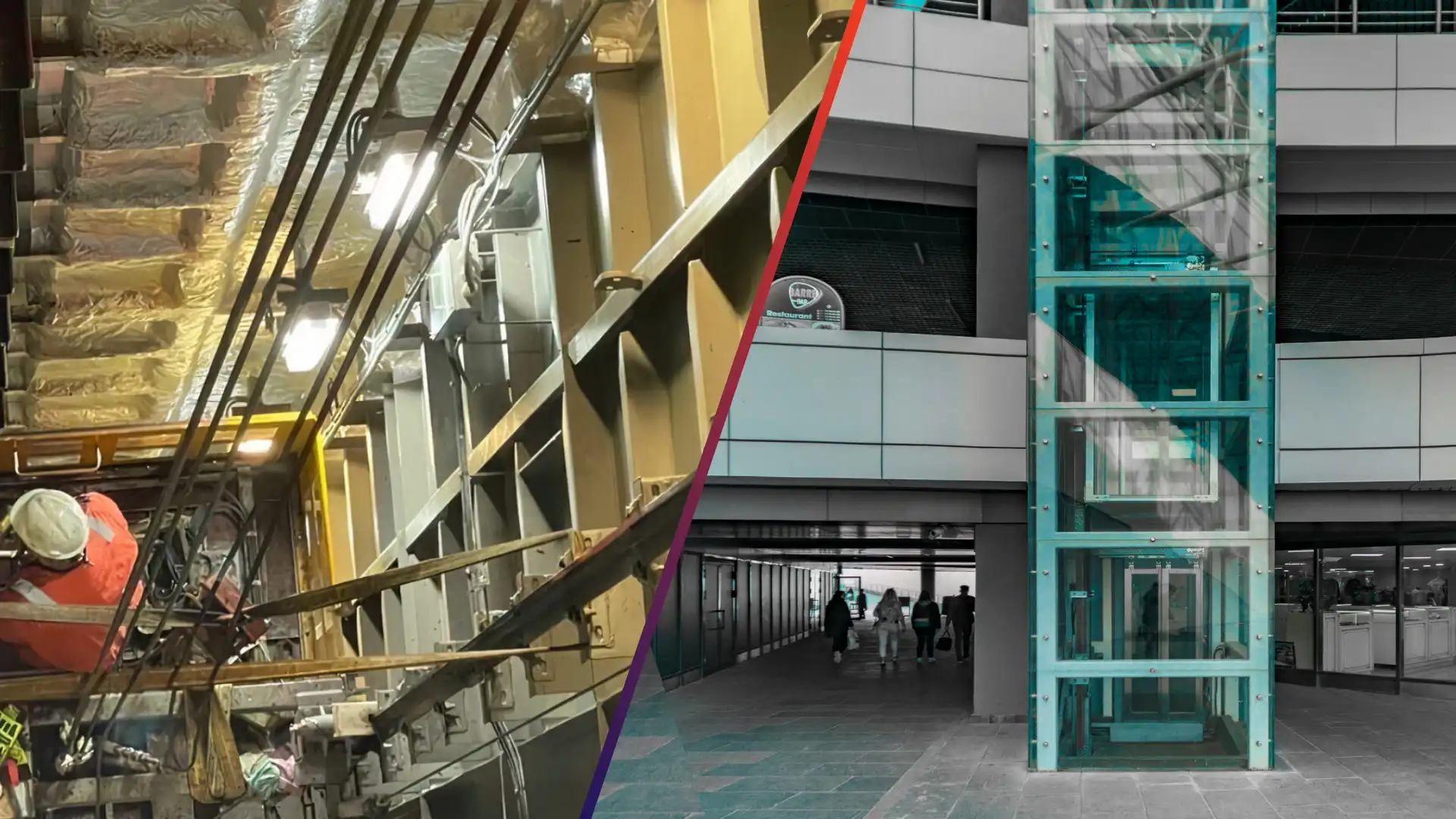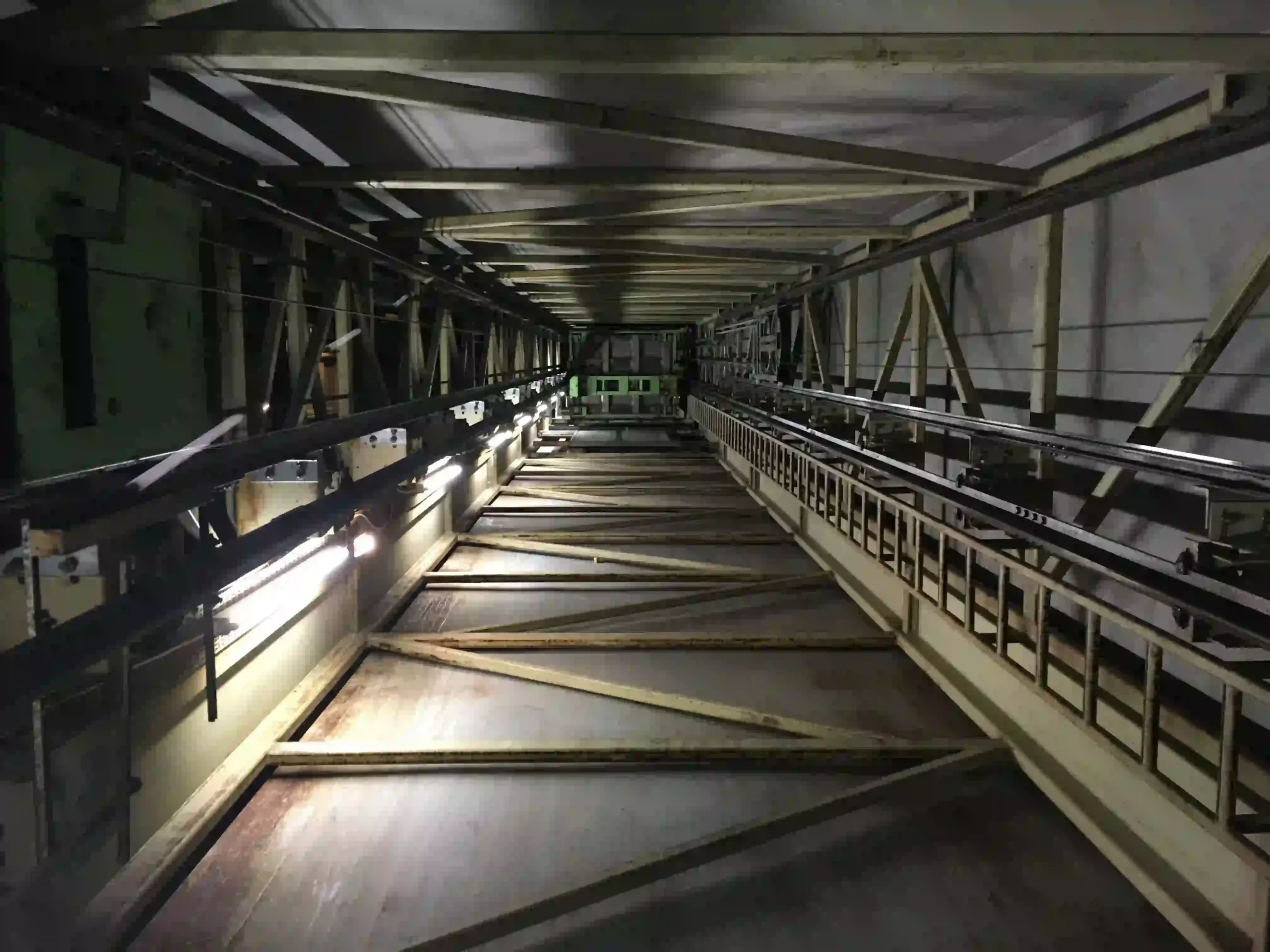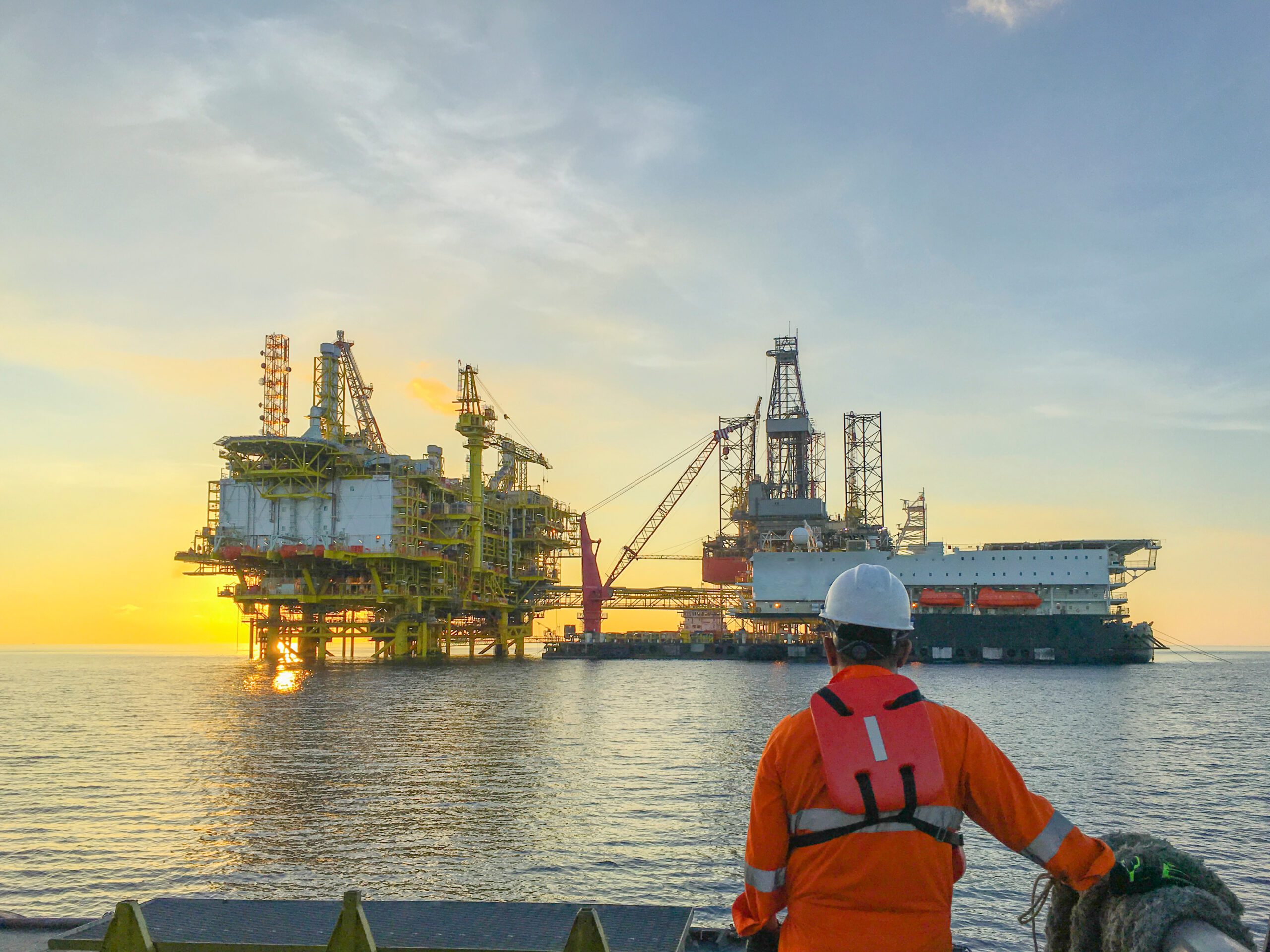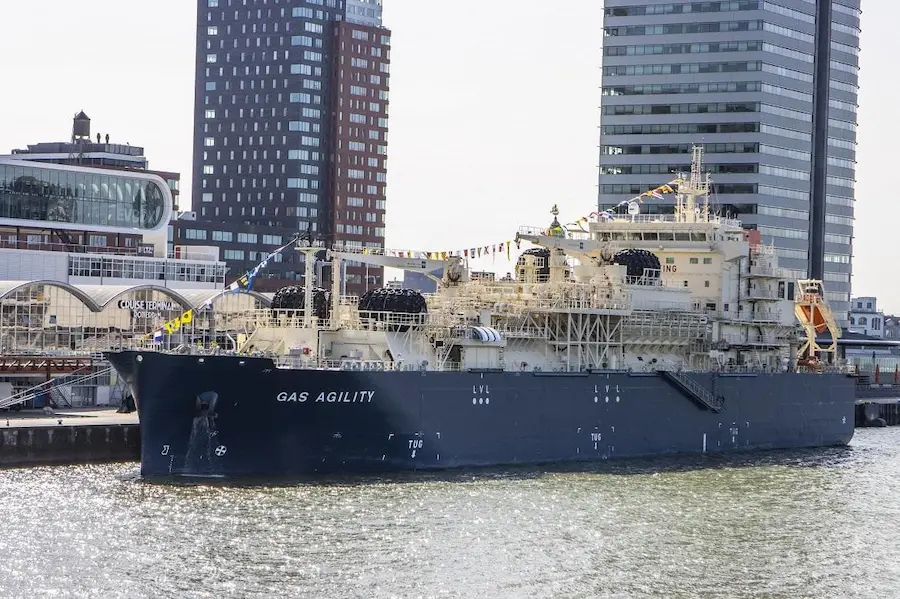

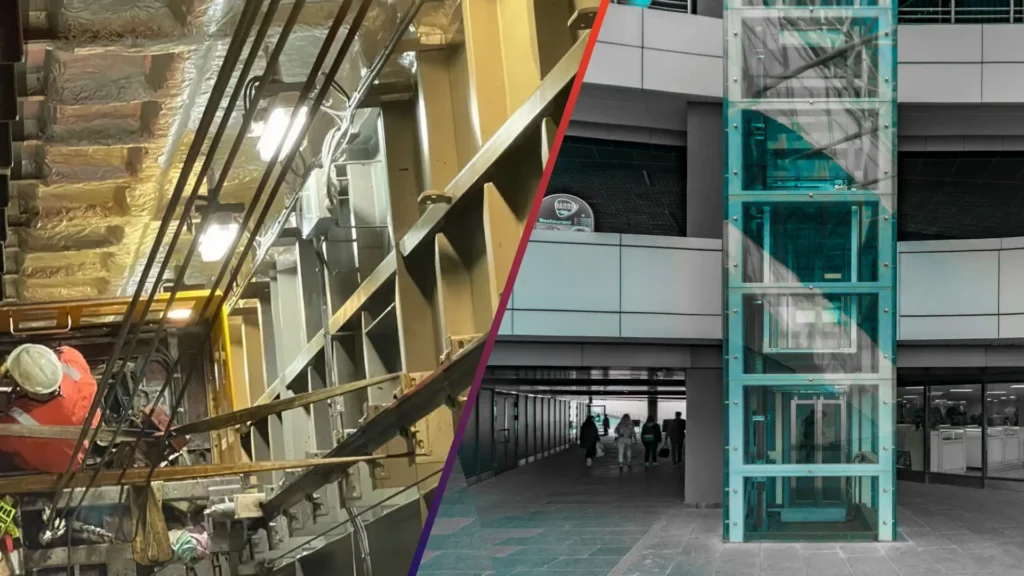
Elevators are a common sight in both buildings and ships. At first glance, they may seem identical: a cabin, a set of doors, buttons for each deck or floor, and a mechanism that moves people or cargo vertically. But the similarities end there. A marine elevator operates in one of the most demanding environments on earth, and its design, construction and maintenance reflect that reality in almost every detail.
This article explains the key differences between marine and land-based elevators, and why those differences matter for anyone responsible for managing or maintaining lifting equipment on a vessel.
The environment makes all the difference
A building elevator sits on a solid, stable foundation. The ground does not move, the temperature inside the shaft stays relatively constant, and the elevator is never exposed to saltwater, sea spray, or extreme humidity. A marine elevator has none of these advantages.
Ships roll, pitch and heave constantly. Even in calm weather, a vessel is never perfectly still. This continuous motion places mechanical stress on every component of the elevator system (the guide rails, the counterweights, the rope fixings, the door mechanisms) in ways that simply do not occur on land. Marine elevators must be engineered to absorb and compensate for this movement without compromising safety or reliability.
Beyond motion, the marine environment introduces:
- Saltwater corrosion → Salt air penetrates everywhere on a ship. All materials used in a marine elevator, from the structural steel of the shaft to the smallest electrical contacts, must be either corrosion-resistant or specially treated and coated.
- High humidity → Engine rooms, cargo decks, and service areas on ships often have humidity levels that would destroy standard elevator components within months.
- Extreme temperature variation → A vessel operating between northern Europe and the Middle East may experience ambient temperature swings of 50°C or more. Every component must function reliably across that range.
- Vibration → Ships produce constant vibration from engines, propellers and wave impact. This can loosen fixings, accelerate wear and interfere with sensitive control electronics if the elevator is not designed to handle it.
Structural and mechanical differences
Because of these environmental factors, marine elevators are built to different standards than their land-based equivalents. The structural frame of the elevator shaft, the guide rail system and the cabin itself are typically heavier and more robust. Guide rails require more frequent inspection and adjustment, because the movement of the ship causes them to shift in ways that fixed building shafts do not.
The rope and sheave system, the mechanism that actually lifts and lowers the cabin, also differs. On land, rope tension and lubrication are straightforward to manage. On a ship, the continuous motion of the vessel affects rope tension dynamically, which means the system must be designed with wider tolerances and monitored more closely. Over-lubrication of ropes, for example, is a known cause of slippage on marine elevators and requires specific attention during maintenance routines.
Door mechanisms deserve particular focus. Nearly 75% of marine elevator service calls are related to door operator failures. The door landing locks and interlocks on a ship are subject to constant vibration, which causes them to go out of adjustment far more quickly than on land. Regular inspection and tightening of these components is not optional. It is essential.
Regulatory framework
Land-based elevators in most countries are governed by national building codes and standards such as EN 81-20 (for passenger lifts) and EN 81-80 (for existing lifts). These standards cover design, installation, and periodic inspection in the context of fixed buildings.
Marine elevators operate under a different and, in some respects, more complex regulatory framework. They must comply with:
- SOLAS (Safety of Life at Sea) requirements, which set minimum safety standards for equipment on passenger and cargo ships.
- Classification society rules, such as those issued by Lloyd’s Register, DNV, Bureau Veritas, or ClassNK. Each society has its own technical requirements for lifting appliances on vessels, and the elevator must be approved, inspected and certified accordingly.
- Flag state regulations, which vary depending on where the vessel is registered and where it operates.
This layered regulatory environment means that a marine elevator must be documented, certified, and maintained to a higher and more complex standard than a comparable land installation. Maintenance records, inspection logs and certification paperwork are not administrative formalities, but they are requirements that port state control officers actively check during inspections.
Installation and access constraints
Installing or servicing a building elevator is logistically straightforward. Technicians can access the site at any time, bring whatever equipment they need, and take as long as necessary.
On a ship, none of this applies. Marine elevator installation must take place within the constraints of a shipyard schedule. Modifications or upgrades, known as marine elevator modernizations, must be planned carefully around drydock windows, because the vessel cannot simply stop trading while work is carried out. Emergency repairs may need to happen in port, sometimes with limited access to specialist parts.
This is why the global reach of a marine elevator service provider matters far more than it does in the building industry. A fleet operator cannot afford to have an elevator out of service for weeks while waiting for a technician to arrive from the other side of the world. Access to a network of authorized, trained technicians in the ports where the vessel calls is a practical necessity.
Spare parts: a different supply chain
A building elevator can be serviced with parts sourced from local distributors, often on short notice. For a marine elevator, the supply chain is more complex. Many marine elevator systems use components from specialist manufacturers, brands such as Ushio Reinetsu, for example, whose parts are not available through general industrial suppliers.
Ensuring access to genuine, certified marine elevator spare parts is particularly important for marine lifts because counterfeit or non-certified components can void classification society certification and, more critically, create safety risks. A part that performs adequately in a stable building environment may fail under the dynamic loads and environmental conditions of a ship.
Safety philosophy
Perhaps the most important difference between a marine elevator and a land-based one is the consequence of failure. In a building, an elevator breakdown is an inconvenience. On a ship, it can affect the safe movement of crew, passengers, or critical cargo; at sea, there is no option to simply call a different technician or use a different building.
For this reason, the entire approach to marine elevator design, maintenance, and operation is oriented toward prevention rather than reaction. Predictive maintenance, detailed logbooks, and adherence to manufacturer schedules are not best practices; they are the baseline expectation for any well-managed vessel.
If you are responsible for lifting equipment on a vessel and want to understand your current maintenance obligations, or if you are evaluating a marine elevator repair or service agreement, the starting point is always the same: understand what environment your elevator is operating in, and make sure every decision, from component selection to service intervals, reflects that reality.
How Mr. Marine can help
Mr. Marine has been providing marine elevator services for over two decades, supporting vessel operators across the globe. Whether your vessel requires a marine elevator safety inspection, emergency repair in port, or a full modernisation of an ageing elevator system, Mr. Marine’s team of authorised technicians is available through an extensive worldwide service network.
Beyond elevators, Mr. Marine also supports the broader electromechanical needs of vessel operators, including ballast water treatment systems, gas detection, and monitoring and control systems. If you are responsible for the technical management of one or more vessels and want to discuss your equipment requirements, get in touch with the Mr. Marine team.