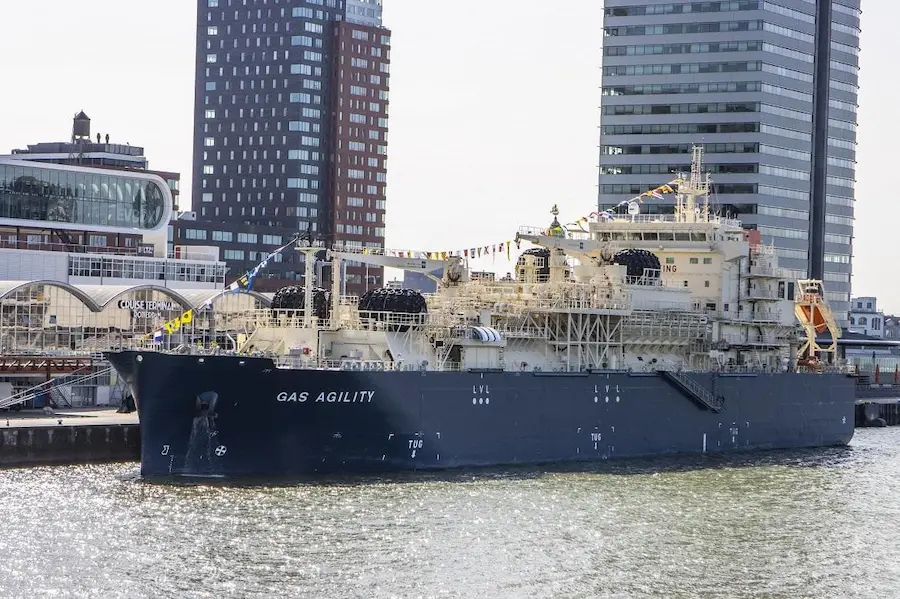

In the maritime industry, where the constant motion of the sea is a given, we often become accustomed to the symphony of sounds and sensations on board a vessel. However, for a technical manager or a chief engineer, not all movements are benign. While large-scale rolling and pitching are planned for in the ship’s design, there is a more subtle phenomenon known as “silent vibrations.” These high-frequency, low-amplitude oscillations often go unnoticed by the crew, yet they represent a significant threat to the integrity of one of the vessel’s most critical assets: the marine elevator.
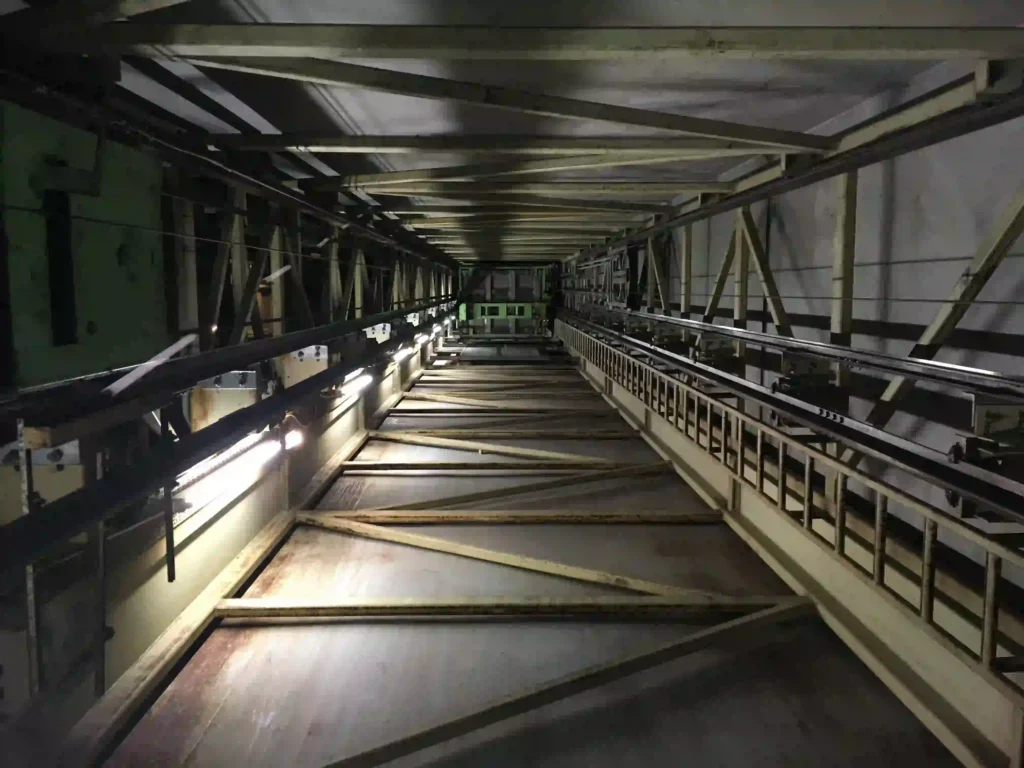
Unlike land-based elevators, which operate in static, stable buildings, a marine elevator is a complex electromechanical system functioning within a dynamic environment. The guide rails, which serve as the “spine” of the elevator, are particularly vulnerable. Understanding how these silent vibrations translate into financial and operational risks is essential for maintaining a safe and compliant fleet.
What are silent vibrations?
Silent vibrations are generally not caused by the elevator itself. Instead, they are the result of the vessel’s internal harmonics. They originate from the main engines, the propeller shaft, or auxiliary generators, and travel through the steel structure of the ship. When these frequencies align with the natural resonance of the elevator shaft, they create a persistent state of agitation.
Because these vibrations are often too small to be felt by passengers or to trigger immediate mechanical alarms, they are frequently ignored. However, they are silent only in name. For the guide rails, they represent a constant mechanical stress that leads to microscopic surface damage and structural misalignment over time.
The mechanical impact on guide rails
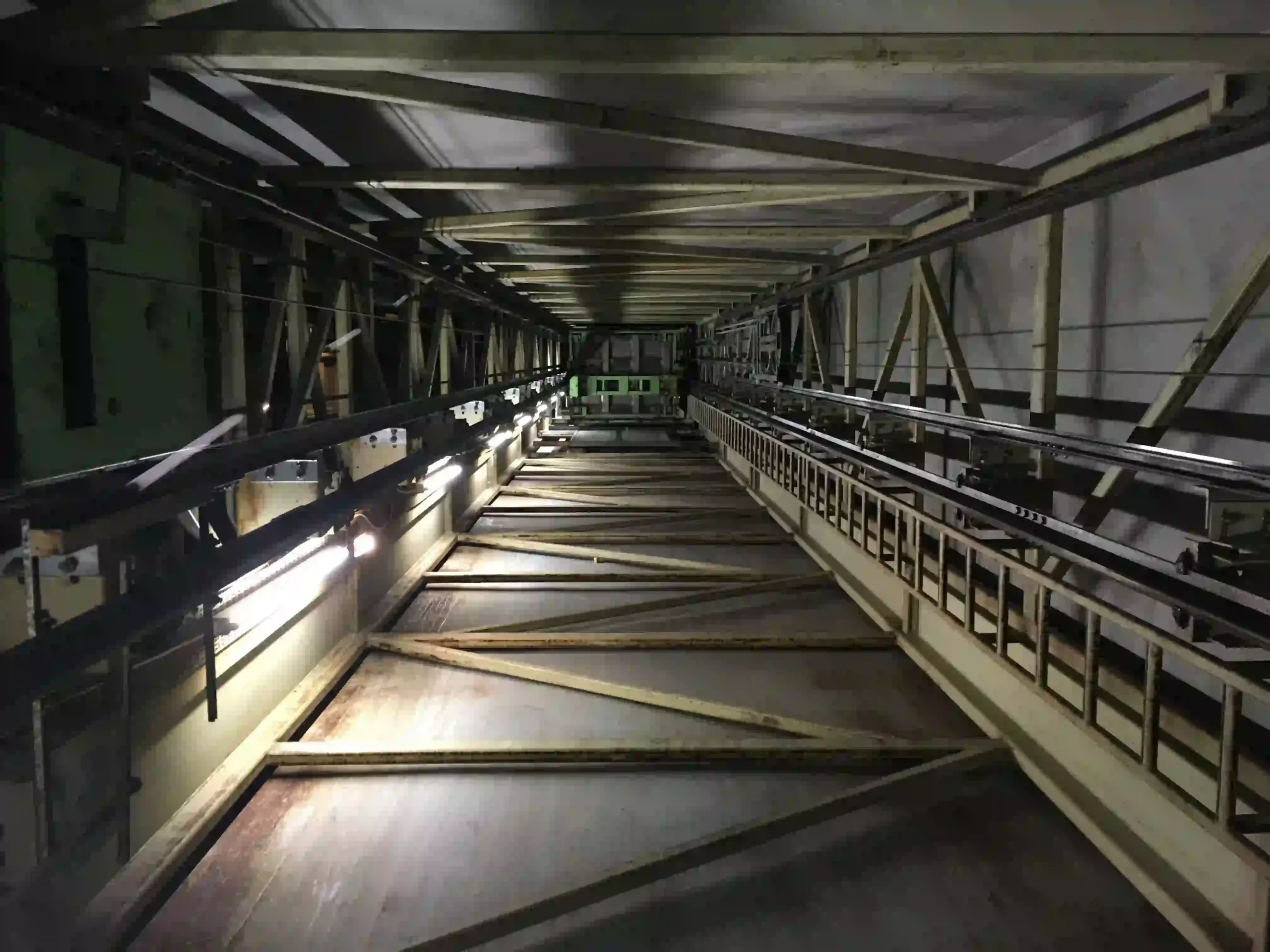
The guide rails are designed to provide a smooth, vertical path for the elevator car. To achieve this, they require precise alignment and a consistent thin film of lubricant. Silent vibrations disrupt both of these requirements in specific ways:
- Micro-pitting and surface fatigue → Persistent vibration forces the guide shoes to chatter against the rail surface. This breaks the protective oil film, causing metal-to-metal contact that results in micro-pitting. Once the surface of the rail is no longer perfectly smooth, the friction levels increase, leading to a self-reinforcing cycle of wear.
- Fastener loosening → The elevator shaft is a long vertical column held together by hundreds of bolts and brackets. Subtle, high-frequency vibration acts as a natural unscrewing force. Over a period of months, this can lead to loose brackets, which causes the rails to deviate from their vertical axis.
- Lubricant migration → Vibrations often cause oil to walk down the rail or accumulate in areas where it is not needed, leaving critical contact points dry. As previously noted in our maintenance advice, empty oilers lead to dry friction, which can eventually damage safety gears.
The “hidden” costs of neglect
When these vibrations are not addressed, the resulting costs often appear in the vessel’s maintenance budget as unexpected failures. In reality, these are the predictable outcomes of cumulative stress.
1. Accelerated component wear
When guide rails are misaligned or pitted due to vibration, the elevator’s motor has to work harder to overcome the increased friction. This leads to premature failure of the traction sheaves and puts undue strain on the steel wire ropes. Replacing a traction motor or a full set of ropes is a major expense that could often be postponed if the rail environment remained stable.
2. Increased service calls
Nearly 75% of service calls in the marine industry are related to malfunctioning door operators. Silent vibrations contribute to this statistic significantly. If the guide rails are slightly misaligned, the elevator car may not arrive perfectly flush with the landing floors. This minor gap puts extra stress on the door interlocking systems and the door operator, causing frequent system shut-downs and ghost errors that are difficult for the crew to diagnose.
3. Safety gear engagement
In extreme cases, excessive vibration or rail surface damage can cause the safety gear to stutter or engage accidentally. This does not only result in significant downtime but also requires a comprehensive safety inspection to ensure the system is still compliant with international rules and regulations.
Proactive management strategies
For ship managers, the goal is to shift from reactive repairs to predictive maintenance. Addressing silent vibrations requires a combination of specialized knowledge and the right tools.
- Regular inspections – during a Marine Elevator Annual Safety Inspection (ASI), a technician does more than check if the elevator moves. They should specifically check the tightness of the rail brackets and the surface condition of the guide rails. Identifying a loose bracket early costs a few minutes of labor; ignoring it can cost thousands in future rail realignments.
- Vibration dampening – in some vessels, the installation of specialized dampening pads between the rail brackets and the ship’s structure can absorb internal harmonics before they reach the elevator system.
- Proper lubrication management – most marine elevators are fitted with oilers to dispense lubricant to the rails. Ensuring these are always topped with the correct grade of oil, as specified in the OEM manual, is the simplest and most effective way to protect against the friction caused by vibration.
The path to compliance and longevity
The maritime industry is increasingly focused on the life-cycle management of assets. A vessel’s elevator is intended to last for decades, but its lifespan is determined by the small details. While marine elevator repairs are a necessary part of operations, the most successful technical managers are those who understand the invisible forces, like silent vibrations, that drive up operational costs.
Maintaining your vertical transport systems is not just about keeping them moving; it is about ensuring they remain safe and compliant throughout their entire service life. By paying attention to the guide rails today, you prevent the expensive breakdown headlines of tomorrow.
Should you suspect your systems are suffering from unusual wear or if you are planning your next dry-docking, our team of multi-brand experts is available in over 350 ports globally to provide the technical depth required to keep your vessel’s elevators in peak condition.