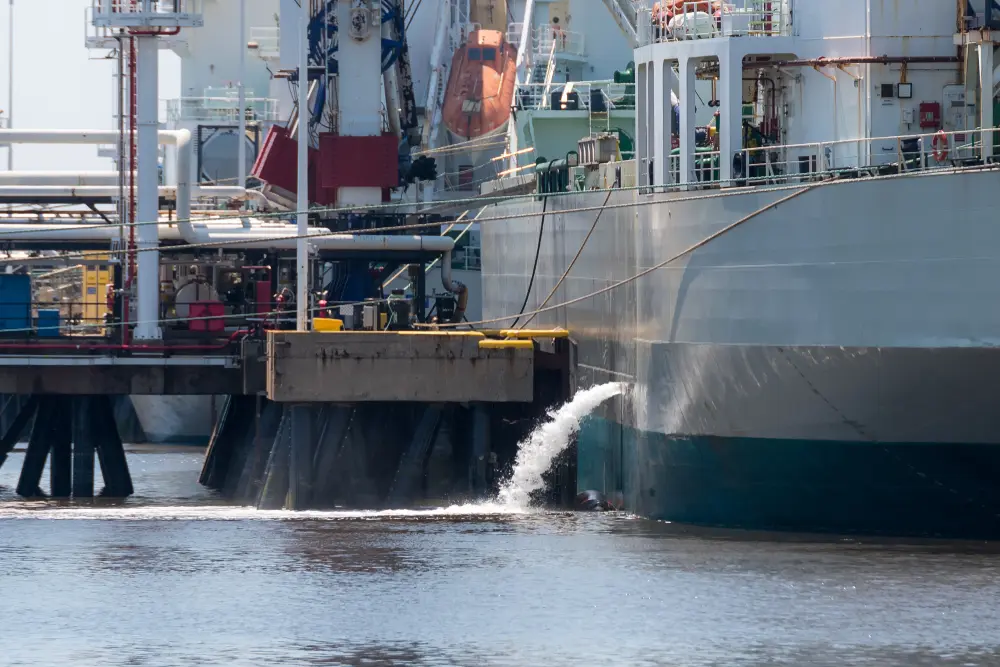

VGP Compliance Testing refers to the mandatory environmental monitoring procedures required for vessels that discharge ballast water into waters of the United States. This testing is mandated under the Vessel General Permit (VGP), an environmental permit issued by the U.S. Environmental Protection Agency (EPA). The fundamental purpose of the VGP is to ensure that the ballast water discharged by a vessel—which must be treated by an approved Ballast Water Treatment System (BWTS)—meets stringent ecological standards designed to protect U.S. waters from the introduction of harmful aquatic invasive species.
The Role of the Vessel General Permit (VGP)
Vessels that sail to the United States must hold and adhere to the requirements of the VGP to legally discharge ballast water within the country’s jurisdiction. The VGP acts as a mechanism to validate that the Ballast Water Treatment System complies with the imposed standards for effluent quality. Compliance testing is the primary tool used by the U.S. Environmental Protection Agency (EPA), the federal authority that administers and enforces these VGP requirements, to verify the ongoing effectiveness of the onboard BWTS. The integrity and environmental impact of the maritime industry are paramount, making this testing a critical regulatory requirement.
Testing Frequency and Procedures
The VGP outlines a specific monitoring schedule for newly installed or commissioned BWTS units. During the first year of operation under the permit, it is required to test the water between 2 to 4 times. This initial frequent testing period is crucial for establishing baseline performance data and confirming the BWTS is operating as designed under real-world conditions.
The permit provides an incentive for consistent, high performance: if sampling results are below permit limits for two consecutive events, the frequency of required sampling may be significantly reduced to one time per year. This reduced monitoring frequency acknowledges and rewards vessels that demonstrate sustained environmental compliance and operational excellence of their treatment systems.
However, adherence is strictly enforced. If the vessel subsequently exceeds the limits set forth in the permit during the annual sampling, it should immediately return to monitoring twice a year until compliance is re-established.
Required Analysis Parameters
To accurately assess the effectiveness of the BWTS in neutralizing invasive organisms and pathogens, the ballast water analyses should be conducted on specific indicator microorganisms. These include:
Total heterotrophic bacteria: Used as a general measure of the biological activity and cleanliness of the discharged water.
E. Coli: A key fecal indicator bacteria, monitored to ensure the discharged water does not pose a public health risk.
Enterococci: Another important fecal indicator used to assess the potential presence of sewage or harmful pathogens in the ballast water.
It is paramount that the tests are carried out according to the EPA’s specific guidelines and approved testing methodologies to ensure the results are accurate, verifiable, and legally defensible for compliance reporting. This rigorous commitment to environmental standards ensures that the global maritime trade can continue while responsibly protecting the delicate ecosystems of U.S. coastal and internal waters. Compliance testing is thus a critical operational necessity for any vessel trading in the U.S.
Why is VGP Compliance Testing important?
The importance of VGP Compliance Testing transcends mere paperwork; it is essential for environmental protection, operational security, and financial stability for vessels trading in the United States.
1. Mandatory Regulatory Compliance
The United States of America enforces unique and rigorous environmental requirements through the Vessel General Permit (VGP), administered by the U.S. Environmental Protection Agency (EPA). Unlike many other nations, the U.S. requires not only the installation of United States Coast Guard (USCG) approved BWT systems but also VGP monitoring to ensure the systems function correctly in real-world conditions. This ensures that the water discharged meets U.S. regulatory standards designed to protect sensitive marine ecosystems from invasive species.
2. Preventing Severe Financial and Operational Penalties
Failure to comply with these VGP requirements—which include conducting required sampling, reporting, and meeting discharge limits—can lead to severe consequences for ship operators. These penalties can include:
Enormous Fines: The EPA regularly assesses substantial civil penalties against commercial vessels for inspection, monitoring, and reporting violations under the VGP. These fines can escalate quickly and significantly impact a company’s financial health.
Operational Delays: Non-compliant vessels face delays or even denial of entry at U.S. port calls until compliance is achieved. These delays cause significant disruption to shipping schedules, loss of revenue, and contractual penalties.
Reputational Damage: Violations are often publicized by the EPA, leading to lasting damage to a company’s environmental stewardship reputation.
3. Verification of BWTS Functionality
The testing regimen, which requires sampling for indicator organisms like Total heterotrophic bacteria, E. Coli, and Enterococci, verifies that the BWTS is actively killing or neutralizing biological organisms. This is vital for demonstrating that the system, which may have been installed years ago, remains fully functional and compliant throughout its operational life.
Mr. Marine Ballast is your trusted partner in minimizing the risks of these problems by providing the certified expertise and support needed to navigate and comply with these complex regulations.
Mr. Marine Ballast is your trusted partner in minimizing the risks of these problems.
How can you arrange the VGP Compliance Testing with Mr. Marine?
Arranging your VGP compliance testing is simple and fast with Mr. Marine! Once you have sent us your requirements and details, one of our project managers will send you a quotation for the most cost-effective port. If you are satisfied with our offer then send us your purchase order and we will get to work.
How does it work?
A trained specialist will board your vessel and collect water samples from specific locations using current EPA best practices and materials. The specialist will then return these samples to the laboratory where they will be tested, analysed and a full report produced. Finally, our project manager will send you the full results and a completed chain of custody form for your records.
Please feel free to contact us for further information and we look forward to helping you soon!