
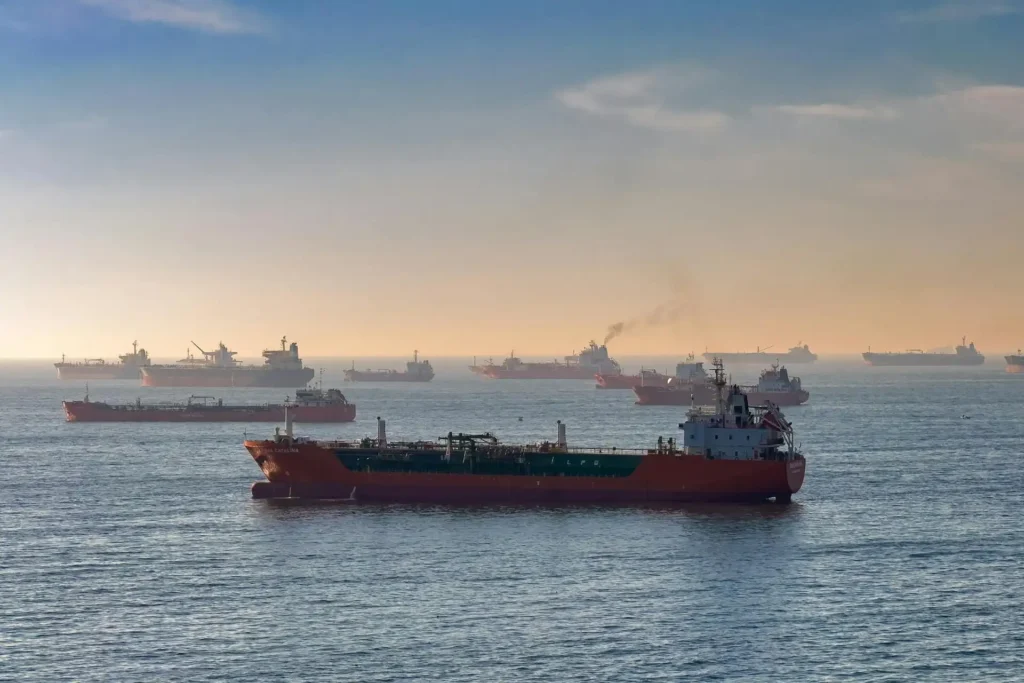
In the modern maritime era, regulatory compliance is often viewed through the lens of certificates, inspections, and technical maintenance. However, to truly understand the current state of the industry, and the necessity of sophisticated Ballast Water Treatment Systems (BWTS), one must look back at the ecological and economic crisis that forced the global shipping community to act.
The International Convention for the Control and Management of Ships’ Ballast Water and Sediments (BWM Convention) was not created in a vacuum. It was the result of decades of scientific alarm and international negotiation. Here is the history of why this landmark convention was created and how it changed global shipping forever.
The biological problem
For as long as there have been steel-hulled ships, ballast water has been essential for safe operations. It provides stability, compensates for weight changes as fuel is consumed, and ensures the propeller is properly submerged. However, by the mid-20th century, as vessels became larger and faster, a significant environmental side effect emerged.
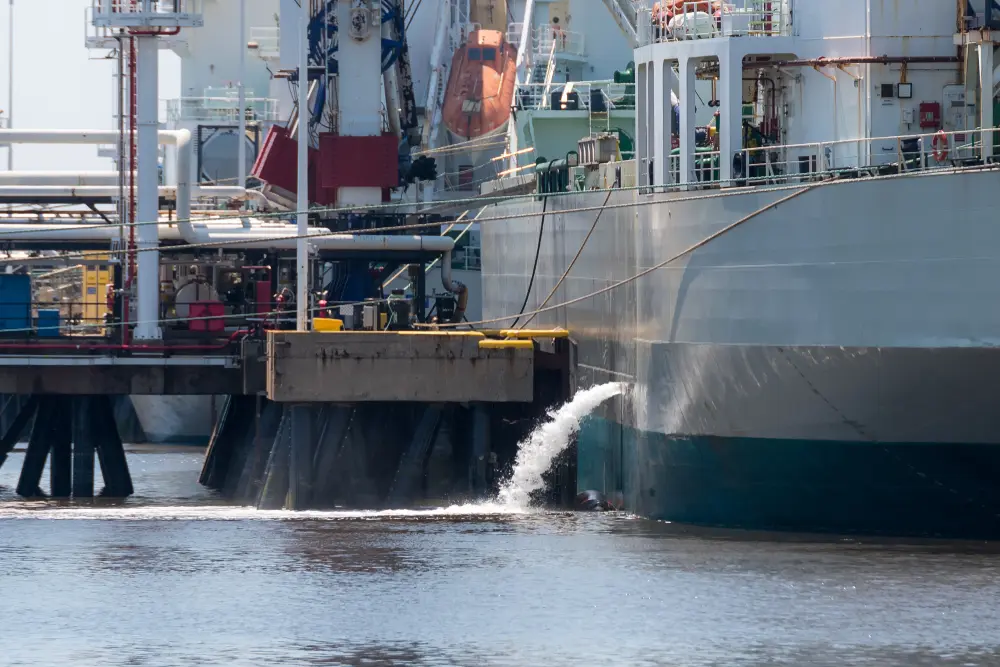
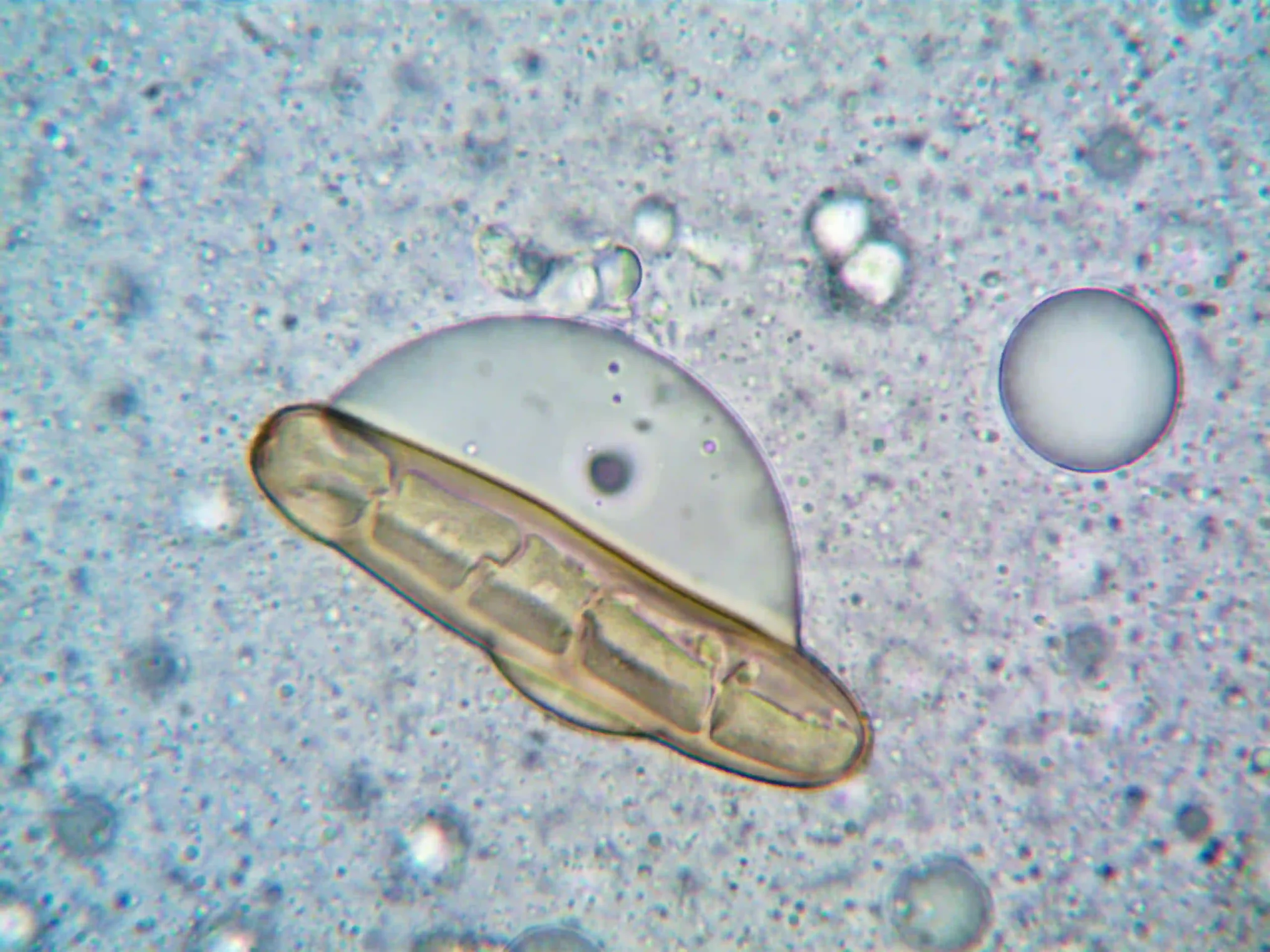
When a ship pumps in ballast water in one port, it unintentionally sucks in thousands of species of microscopic life: bacteria, microbes, small invertebrates, larvae and even fish. When that water is discharged thousands of miles away in a different ecosystem, these organisms are released into a new environment.
Most of these species do not survive the journey. However, the ones that do and thrive in the new environment become Invasive Aquatic Species (IAS). Without natural predators in their new home, these species can outcompete local marine life, devastate local fisheries, and damage underwater infrastructure.
The catalysts for change – ecological disasters
The push for a global convention gained momentum in the late 1980s. Two specific incidents served as wake-up calls for the maritime industry and international regulators:
The Zebra Mussel in the Great Lakes
Originating from the Caspian and Black Seas, Zebra mussels were introduced to the North American Great Lakes via ballast water. They multiplied at an alarming rate, clogging water intake pipes for power plants and cities, costing the region billions of dollars in damage and lost revenue.
The North American Comb Jelly in the Black Sea
Conversely, a jellyfish species from the Americas was introduced to the Black Sea. It decimated the local anchovy population by eating their eggs and larvae, leading to the collapse of a multi-million-dollar fishing industry.
These were no longer just environmental concerns; they became global economic threats. Member States of the International Maritime Organization (IMO) realized that a patchwork of local laws would not work. A global standard was required.
The road to the 2004 adoption
The journey toward the BWM Convention was long, reflecting the technical complexity of the problem.
- 1988: Canada and Australia were among the first to bring the issue of invasive species to the attention of the IMO’s Marine Environment Protection Committee (MEPC).
- 1992: The United Nations Conference on Environment and Development (UNCED), also known as the Rio Earth Summit, recognized the transfer of invasive species via ballast water as a major threat to the world’s oceans.
- 2004: After years of deliberation, the Ballast Water Management Convention was officially adopted by the IMO.
While adopted in 2004, the convention did not enter into force immediately. The IMO required at least 30 states, representing 35% of the world’s merchant shipping tonnage, to ratify the treaty before it became law. This milestone was finally reached on September 8, 2016, leading to the convention becoming active on September 8, 2017.
From D-1 to D-2
The history of the BWM Convention is defined by two primary standards of compliance, which every ship owner and technical manager must understand:
The D-1 Standard (Ballast Water Exchange)
In the early days of the convention, the primary method of compliance was Ballast Water Exchange. This required ships to exchange their coastal ballast water for mid-ocean water (at least 200 nautical miles from shore). The theory was that coastal organisms would not survive in the deep ocean, and deep-ocean organisms would not survive in coastal ports. While a step in the right direction, D-1 was always intended as a temporary measure due to its limited effectiveness and potential safety risks during heavy weather.
The D-2 Standard (Ballast Water Treatment)
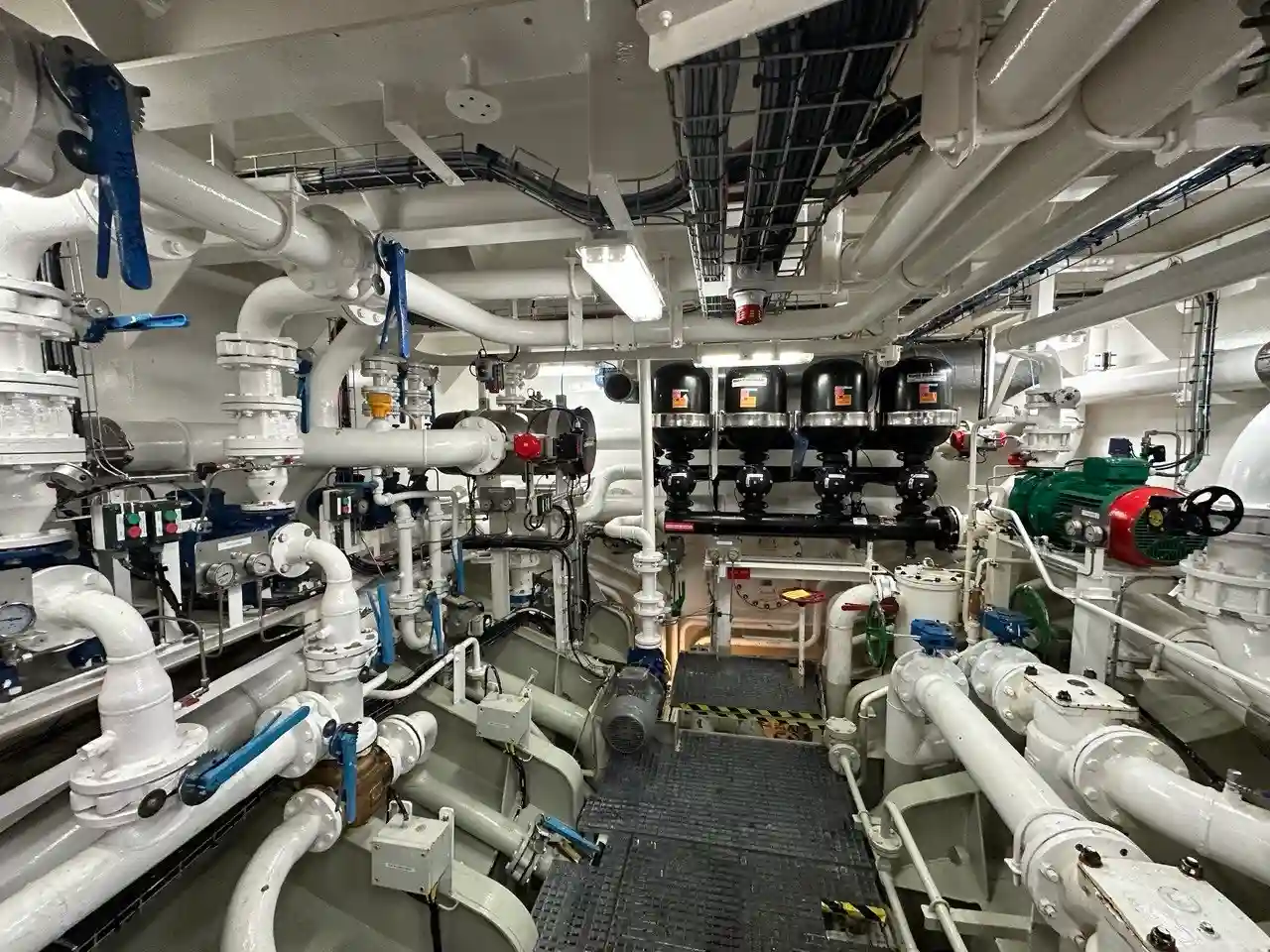
The D-2 standard represents the expert level of modern maritime safety. It mandates that ships must treat their ballast water to a specific biological standard before discharge. This requires the installation of a Ballast Water Treatment System (BWTS). These systems use various technologies, such as UV filtration, electro-chlorination, or chemical injection, to ensure that the water discharged contains fewer than a strictly defined number of viable organisms.
Why this history matters to you today
Understanding why the BWM Convention was created helps fleet managers appreciate the rigor of Port State Control (PSC) inspections today. The convention isn’t just about paperwork; it’s about preventing the next multi-billion-dollar ecological collapse.
Today, the industry has moved past the “installation” phase and into the “operational” phase. The focus has shifted from having a system to ensuring that the system works consistently. Non-compliance with D-2 standards can lead to:
- Significant fines from port authorities.
- Vessel detention, leading to expensive downtime.
- Requirement for emergency ballast water treatment services.
Maintaining your competitive edge
As we move further away from the 2004 adoption, the technology is maturing, but the complexity of maintenance is increasing. For ship owners, the challenge is no longer just meeting the deadline; it is maintaining their own fleet’s compliance.
Regular calibration of sensors, testing of biological efficacy, and ensuring your crew is trained on the specific BWTS model onboard are now standard requirements of professional maritime operations.
Partnering with experts
At Mr. Marine, we understand that the BWM Convention is one of the most complex regulatory frameworks in shipping. By looking back at the history of these regulations, we can better prepare for the future. Whether you are dealing with a system that requires a BWTS Annual Calibration & Certification or ensuring the treated water meets IMO and USCG VGP standards, professional oversight is the key to avoiding operational delays.
The BWM Convention was created to protect our oceans. Our job is to help you protect your vessel’s ability to trade within those oceans, ensuring that your fleet remains compliant, efficient and respected in every port of call.
Key takeaways for fleet managers:
- Invasive species remain a top priority for Port State Control.
- D-2 compliance is the current global standard; the “Exchange” method (D-1) is largely phased out for most vessels.
- Preventative maintenance of your BWTS is the only way to ensure the historical goals of the convention are met while protecting your bottom line.
Are you struggling with BWTS performance or approaching your next survey? Contact Mr. Marine today for expert service and global support.